Mannose vs. Classic Sugars
Mannose is a simple sugar (monosaccharide) similar to glucose. It occurs naturally in various fruits such as cranberries, oranges, and apples, as well as in seeds and coffee beans. In the body, mannose plays a key role in the formation of glycoproteins — essential molecules involved in cell communication and immune function.
Mannose has also been studied for its potential to support metabolic health, modulate immune responses, and influence certain disease pathways. Research suggests it may help reduce inflammation, improve gut health, and, in some studies, slow tumour growth by affecting specific metabolic processes.
With about 60% of the sweetness of sucrose, mannose offers mild sweetness along with functional health properties.
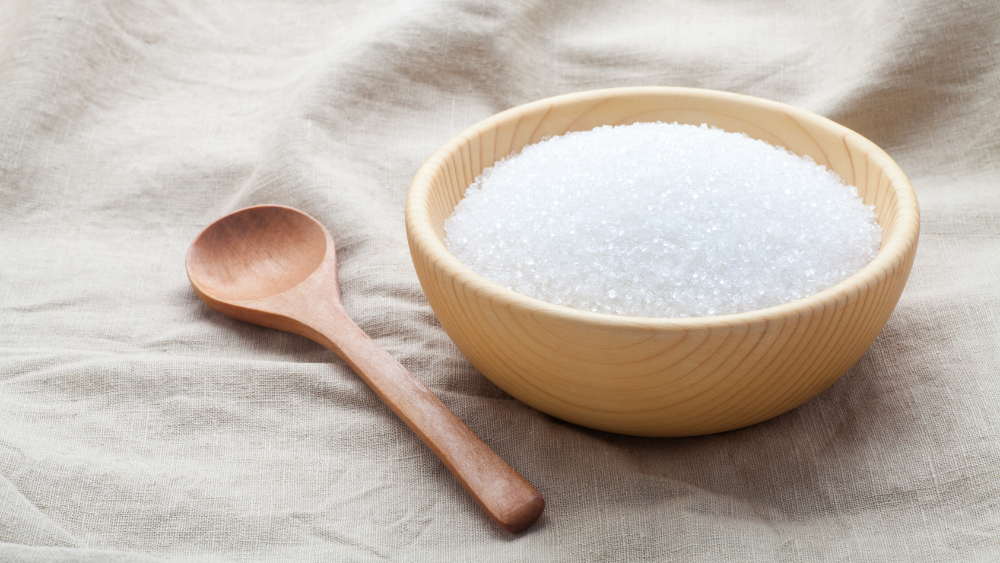
Mannose
- Naturally occurring simple sugar, structurally similar to glucose.
- Minimal impact on blood glucose; low glycemic effect.
- Mannose inhibits the pentose phosphate pathway (PPP), the cellular workshop that makes building blocks for growth, beneficial for normal cells but can be exploited by cancer cells to fuel their rapid division if blood glucose levels are constantly high.
- Regulates the gut microbiome and improves metabolic health; prevents diet-induced obesity.
- Anti-cancer properties: inhibits the pentose phosphate pathway (PPP), reduces tumor growth, in aids in chemotherapy and immunotherapy responses.
- Anti-inflammatory: protects intestinal barrier integrity and promotes recovery in colitis.
- Neuroprotective: rapidly induces antidepressant responses by increasing BDNF and TPH2 levels.
- Can be used in specialized nutritional formulations for therapeutic benefit.

Classic Sugar
- Common dietary sugars used as primary energy sources.
- Rapidly increases blood glucose and insulin levels.
- Sugar promotes the pentose phosphate pathway.
- Excess intake linked to obesity, insulin resistance, and metabolic disorders.
- No direct therapeutic properties; excessive consumption may promote cancer risk.
- Excess consumption may contribute to systemic inflammation.
- No neuroprotective effects; high intake can worsen insulin resistance-related cognitive effects.
- Primarily used for taste, energy, and caloric intake; not typically therapeutic.
How can I use mannose?
Mannose is being used as a dietary supplement in powder or capsule form, typically ranging from 1–3 grams per day for general metabolic or gut health support. In addition it is currently being used as an ingredient in functional foods as a low-glycemic sugar alternative, providing sweetness without causing significant blood sugar spikes.
In medical or therapeutic contexts, mannose may be included in specialized nutritional formulations, such as for supporting intestinal health or as an adjunct in certain cancer therapies under professional supervision. It is generally well-tolerated, though very high doses may cause mild digestive discomfort, so it is recommended to follow dosage guidance and consult a healthcare professional when using mannose for therapeutic purposes.

Your Personal Sugar Strategy
One of the challenges when replacing classic sugars, with Dr Coy’s healthy sugars, is that they have different properties:
- Some are great for baking, others are better for ice-cream.
- Some taste super sweet, others much less so.
- Some have the same calories as classic sugars, others have less.
Also, we each have different needs when it comes to energy, and preferred levels of sweetness:
- An athlete needs more energy than an office worker.
- Some people prefer sweeter tastes.
- Weight loss and diabetes also have unique metabolic needs.
So, to make it easier, Dr. Coy developed sugar mixtures based on personal and functional needs.