What is Trehalose?
Trehalose is a natural double sugar (disaccharide).It is digested slowly, so the glucose it contains is released gradually rather than all at once.
Trehalose is a naturally occurring sugar found in plants, fungi, bacteria, and insects.
These organisms use trehalose to protect themselves from environmental conditions such as extreme heat or frost. Trehalose protects the proteins in their cells against protein damage.
Trehalose is also naturally found in edible mushrooms, honey, and some seafood. It is about 45% as sweet as classic sugar and creates a balanced flavour when combined with other Dr Coy’s sugars.
Trehalose at a glance
- Produces a lower blood glucose rise than classic sugar
- Low glycaemic index
- Provides steady, long-lasting energy
- Not readily converted into acid by the bacteria in the mouth
Trehalose also has a chemical property the other sugars do not share: it cannot be glycated, so it does not bond to proteins and form Advanced Glycation End products. Independent research continues to examine it, and the studies section below sets out what has been reported and in what setting.

What makes Trehalose special

Protects skin elasticity

Reduces stress

Fructose free

Low glycaemic index

Steady energy under pressure
Even though trehalose consists of two linked glucose building blocks, these are released slowly during digestion and prevent a spike in blood sugar and insulin.
Because trehalose provides the body with a steady supply of energy over an extended period of time, it is a good source of glucose for anyone under a lot of physical and mental strain.
In stressful situations, your body and especially your brain craves extra energy to prepare itself for a ‘fight or flight’ response.
Which is why you’re more likely to grab a sugary treat when you’re stressed.
Trehalose releases glucose when digested, so the brain gets the energy it is asking for. Because it arrives gradually rather than all at once, there is no steep rise and no dip afterwards, which is what produces the sugar crash and the craving that follows it.
What does the science say about Trehalose?
Research into trehalose runs across several fields. Most of it is laboratory or animal work. The summaries below say what was found and in what setting, because the setting matters.
One point to understand first. Most trehalose taken by mouth is broken down in the gut by an enzyme called trehalase into its two glucose molecules. One review puts it at roughly 99 per cent, with about 1 per cent reaching the blood intact. So findings from studies where trehalose is given at high doses, or delivered directly rather than eaten, do not automatically carry over to trehalose in food.
Glycation. Trehalose cannot itself be glycated. It has no free reducing hydroxyl group, so unlike glucose and fructose it does not bond to proteins and form Advanced Glycation End products, even on contact with serum albumin. A 2024 review in Clinical, Cosmetic and Investigational Dermatology sets out this chemistry and examines trehalose alongside hyaluronic acid in skin. This is the finding Dr Coy regards as most significant, because glycation is the process at the centre of his work on ageing.
-
 Trehalose has been shown to have prebiotic effects, meaning it promotes the growth of beneficial gut bacteria. It can also help reduce inflammation in the body and supports healthy immune function.
-
 The brain. Animal studies have reported effects on cognition and on anxiety-like behaviour, including a 2017 mouse study in a model of Alzheimer's disease and a 2017 study on traumatic brain injury. These are animal findings and have not been tested in people.
-
 Inflammation. Preclinical studies have reported reduced inflammatory markers and signalling in animals, including in older mice and in a septic shock model. There is no human dietary evidence.
-
 The skin. The same review reports that trehalose applied to skin stabilises cell membranes, scavenges reactive oxygen species including hydrogen peroxide, partly preserves superoxide dismutase activity, reduces UVB damage to keratinocytes and increases type I procollagen synthesis. This is topical research in cosmetic and injectable products rather than dietary, and the authors note that direct clinical data in dermatology remain limited.
-
 Gut bacteria. Trehalose reaching the large intestine is fermented by gut bacteria. Dr Coy describes this as a prebiotic effect.
-
 Inside the cell. Studies have reported that trehalose activates the Keap1-Nrf2 pathway, which cells use to handle oxidative stress, and induces autophagy, the process by which a cell clears out damaged material. This connects to what trehalose does in the plants and fungi that produce it, where it protects proteins under heat and frost.
-
 Metabolism and body weight. Animal studies have reported thermogenesis and changes in fat tissue, including browning of white adipose tissue in mice. The work in this area is at the animal stage, and the papers are listed in the research section.
-
 The liver. There is a substantial body of animal work here. Studies in mice have reported reduced liver fat, lower liver injury markers and reduced inflammatory signalling, with the effects linked to autophagy and to inhibition of glucose transport into liver cells. All of it is animal research.
-
 Teeth. Streptococcus mutans and Streptococcus sobrinus, the bacteria most associated with tooth decay, have been shown to produce less lactic acid from trehalose than from sucrose.
How does the calorie content of trehalose compare to sucrose?
Using the classic ‘a calorie is just a calorie model’ (developed in 1848) it’s hard to see the benefits of trehalose, but when we revise the model to reflect reality, we can see why it energises us very differently.
| Classic Calories | Fermenting Calories | Oxidising Calories | |
|---|---|---|---|
| Trehalose | 3.62 kcal / g | 3.62 kcal / g | 3.62 kcal / g |
| Sucrose | 4 kcal / g | 4 kcal / g | 4 kcal / g |

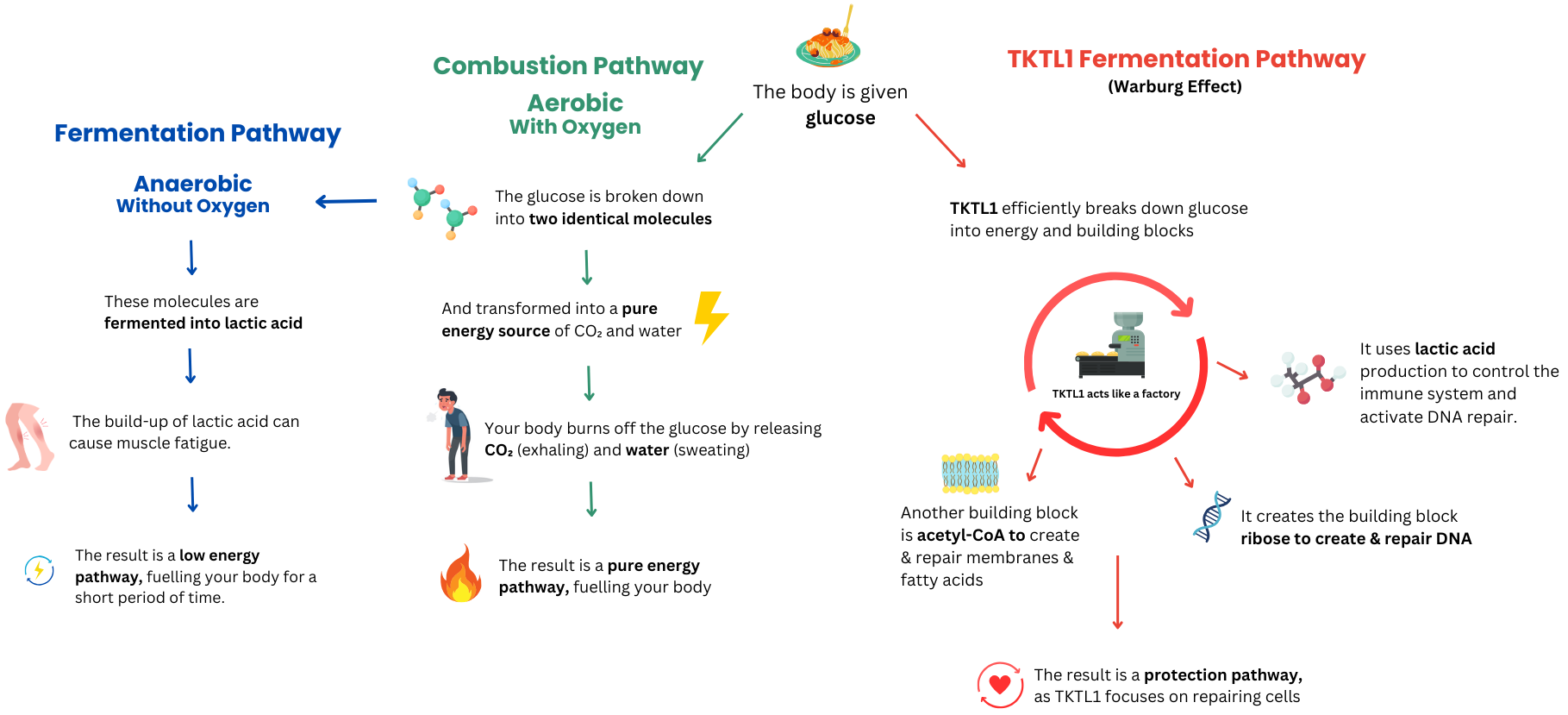
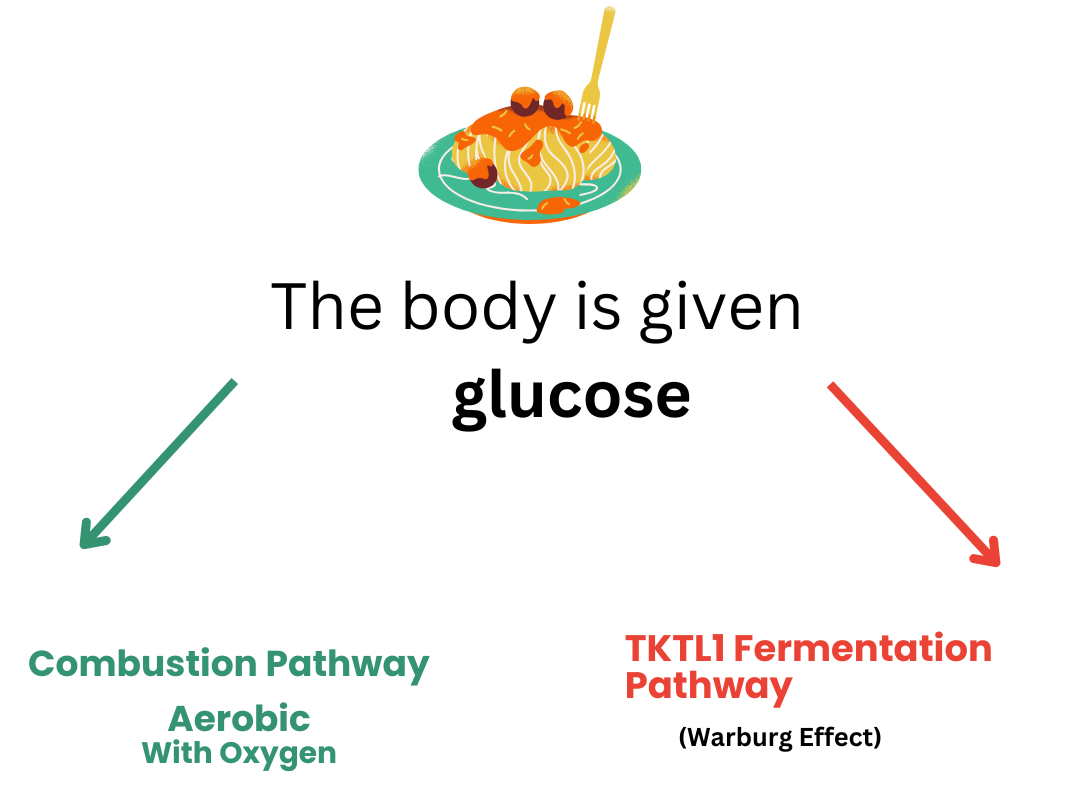
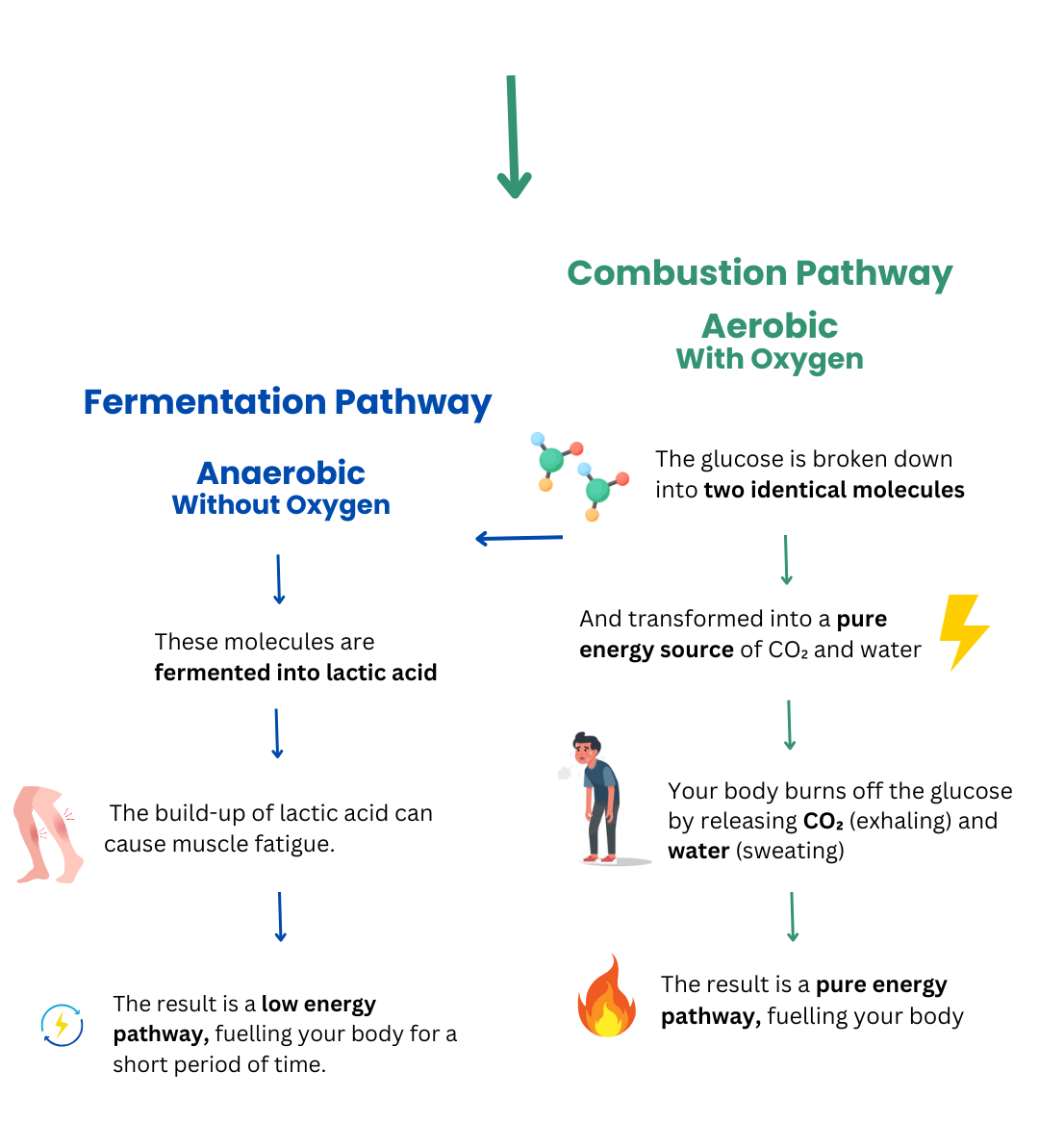
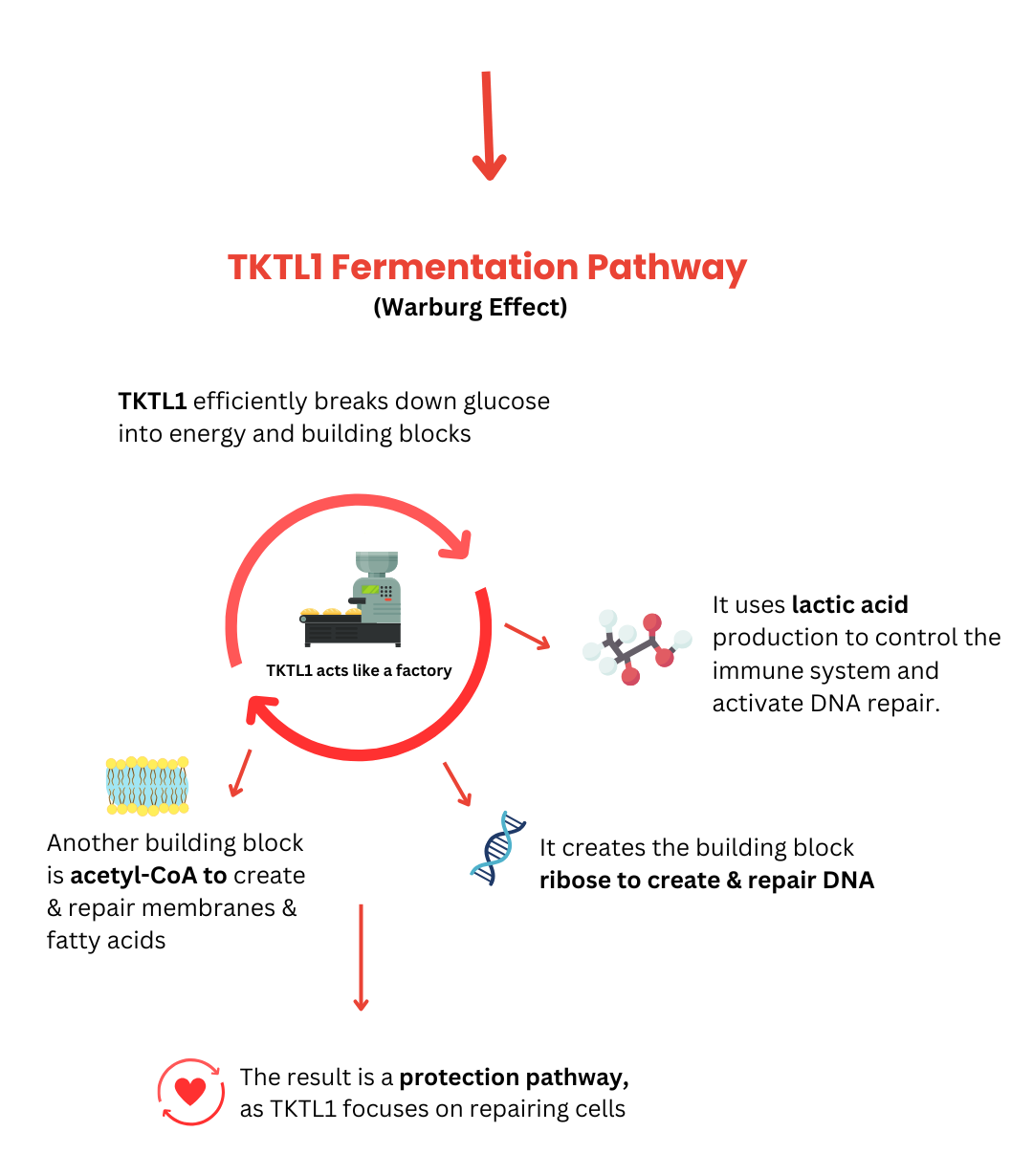
Oxidising (using oxygen to release pure energy)

Fermenting (creating energy and building blocks for new cells, including fat)
Making Energy from Metabolism
- Trehalose is slowly digested and broken down into two sub-units of glucose.
- The slow digestion leads to slow absorption, energy usage, and insulin secretion.
- Trehalose has a slow and steady impact on blood glucose due to the slow release.
- Trehalose offers long-lasting energy improving endurance.
Benefits
- The gradual energy release supports balanced blood sugar levels.
- Because blood glucose does not spike, it does not then fall below where it started, which is what causes the slump and the craving afterwards.
- The glycaemic index (GI) is 38 which is 42% less than table sugar.
- Trehalose tastes about 45% as sweet as table sugar.
Trehalose’s unique metabolic effects:

Ageing

Sports

Children

Diabetes
Frequently asked questions
Is trehalose safe?
Yes, trehalose is generally considered safe for consumption, but excessive consumption may lead to digestive discomfort in some individuals.
Is trehalose good for diabetics?
Trehalose has a low glycaemic index, so it produces a smaller and slower rise in blood glucose than classic sugar. Anyone with diabetes should discuss changes to their diet with their diabetes team, since it may affect their medication or insulin.
Can trehalose be used in cooking and baking?
Yes, trehalose is heat-stable and can be used in cooking and baking. It is suitable for use in any recipe that calls for sugar and dissolves quickly in both hot and cold liquids. Trehalose can be used for baking, and it browns well and caramelizes at high temperatures.
Does trehalose raise blood sugar levels?
Trehalose has a low glycaemic index and does not cause a significant increase in blood sugar levels.
Does trehalose raise insulin levels?
Trehalose is digested slowly into two glucose molecules, so the glucose is released gradually and the insulin response is smaller and more spread out than with classic sugar. It is galactose, not trehalose, that is taken up without insulin.
Is trehalose healthy?
Trehalose has a low glycaemic index, is not readily converted into acid by mouth bacteria, and is the subject of ongoing research into its effects inside the cell. The studies section above sets out what has been reported.
Is trehalose keto-friendly?
Yes, trehalose can be used in a ketogenic diet as it does not cause significant increases in blood sugar levels.
Is trehalose fructose-free?
Yes, trehalose does not contain fructose (making it suitable for people who are sensitive or intolerant to fructose).
Is trehalose lactose-free?
Yes, trehalose does not contain lactose (suitable for lactose intolerant individuals).
Is trehalose gluten-free?
Yes, trehalose does not contain gluten (but could contain traces depending on manufacturing processes).
Is trehalose safe for cancer patients?
Trehalose is made of two glucose molecules and is a source of glucose. Anyone undergoing cancer treatment should discuss their diet only with their treating oncologist.
What is trehalose made from?
Trehalose can be found in some mushrooms and seaweed, but most commercially available trehalose is made through a fermentation process using cornstarch.
What does trehalose taste like?
Trehalose tastes about 45% as sweet as table sugar, with a clean, neutral taste and no aftertaste.
What is trehalose?
This site is informational and does not sell anything. If you would like help finding companies that use Dr Coy’s sugars and sugar mixtures, email us at info@intelligentsugar.info and we will point you in the right direction.
Where can I buy trehalose?
The best way to incorporate trehalose into your diet is by using Dr Coy’s sugar mixtures. These mixtures have been scientifically developed to help lead a healthier lifestyle. Discover the full range of Dr Coy’s sugar mixtures from our partners.
Research & Resources
Further Studies:
Scientists have been studying the effects of trehalose, and its benefits compared to table sugar (sucrose.)
In 2017, researchers reported that trehalose improved cognition in a mouse model of Alzheimer’s disease.
Trehalose Improves Cognition in the Transgenic Tg2576 Mouse Model of Alzheimer’s Disease
The journal of cellular physiology published a study exploring trehalose as a treatment for neurodegenerative diseases.
“The role of trehalose as an innovative drug in the treatment of neurodegenerative diseases and other illnesses opening a new scenario of intervention in conditions difficult to be treated.”
Autophagy induction by trehalose: Molecular mechanisms and therapeutic impacts
- Trehalose protects against oxidative stress by regulating the Keap1-Nrf2 and autophagy pathways
- Trehalose improves traumatic brain injury-induced cognitive impairment
- Trehalose Improves Cognition in the Transgenic Tg2576 Mouse Model of Alzheimer’s Disease
-
Intracellular Protective Functions and Therapeutical Potential of Trehalose