What is Galactose?
Galactose is a simple sugar (monosaccharide) like glucose, but with a lower glycaemic index,so it produces a much smaller rise in blood sugar.
Galactose is derived from milk sugar (lactose). It is naturally found in fermented dairy products such as yogurt and kefir, and in very small quantities in artichokes, mushrooms, papayas, and tomatoes. Also found in breast milk, galactose provides the foundation for important early brain developments after birth.
Even though galactose is derived from lactose, it is easily digestible for people with a lactose intolerance.
Galactose is slightly less sweet than classic sugar and helps create a balanced flavour when combined with other Dr Coy’s sugars.
Galactose at a glance
- Produces a much smaller rise in blood sugar than classic sugar
- Low glycaemic index
- Taken up by cells without insulin
- Cannot be used by cells for fermentation metabolism
- Not converted into acid by the bacteria that cause tooth decay
More and more independent accredited research highlights additional properties of galactose, including its role in brain metabolism, memory and the gut.
What makes Galactose special

Burned using oxygen, not fermentation

Reaches brain cells without insulin

Tooth-friendly

Lower blood glucose rise

Why galactose is burned differently
Galactose is metabolised by the body very differently compared to classic sugar.
Dr Coy’s research centres on this difference. Galactose cannot be fed straight into the fermentation pathway. Before a cell can use it, galactose has to be converted into glucose through a series of enzyme steps called the Leloir pathway, and that conversion costs the cell roughly as much energy as it eventually releases.
A cell running on fermentation, which is the fast pathway, gains almost nothing from galactose. A cell running on oxygen in its mitochondria does. Dr Coy concludes that galactose therefore pushes the body towards the oxidative pathway, where fat is burned, rather than the fermenting one. This is why he sees galactose as a sugar that can be used as part of an approach to weight management rather than against it.
The taste is similar, but the body responds completely differently.
Galactose has the same calorie content as glucose or cane sugar but converting galactose into glucose requires a lot of energy. This is why Dr Coy argues that counting its calories the conventional way misses what is actually happening in the cell.
Galactose is an excellent sugar to support a ketogenic diet or fasting. Both ketogenic diet and fasting exhaust the glucose deposits (glycogen) in the body and cause an oxidative metabolism with the mitochondria.
The combination of galactose with ketogenic diet and fasting can be exploited to improve the training of an oxidative metabolism.
Galactose has a low glycaemic index (20), which means insulin levels stay low after eating it. Dr Coy concludes that because insulin is the signal that tells fat cells to store rather than release, keeping it low leaves the body freer to use fat for fuel.
A 2011 study in the American Journal of Clinical Nutrition measured this in women and found that consuming galactose was associated with more fat being mobilised and oxidised during the absorption of a meal than consuming glucose.
What the science says about galactose?
-
 Galactose does not attach itself to proteins in the way glucose does. Studies have examined this in relation to cellular ageing and free radical damage.
-
 Provides energy to the brain even when insulin resistance is present. Studies have examined its effects on concentration, focus and memory.
-
 Studies have examined galactose in relation to blood vessels, cholesterol and inflammation.
-
 Studies have examined the effects of Galactose on skin blood flow and elasticity.
-
 Provides smooth and sustained energy without causing drops in mental or physical performance.
-
 Galactose promotes the growth of good bacteria that help remove toxic ammonia in the body. Studies have also examined its effects on the gut barrier and on fungi and yeasts.
-
 Galactose structures in the body are used to build the sugar chains that immune proteins recognise. Studies have examined galactose in relation to viral and pathogen replication, and to autophagy.
-
 Galactose doesn't cause insulin elevation because it's not needed for cellular transport. Studies have examined whether this affects insulin resistance.
-
 Galactose is metabolized in the liver without using insulin. Animal studies have examined its effects on liver fat, liver inflammation, insulin sensitivity and glycogen storage when galactose replaced 15% of sugar intake.
-
 Galactose provides the building blocks for creating tissues in the brain and nervous system, specifically cerebrosides, gangliosides, and mucoproteins. Galactocerebrosides are the main glycoprotein in neuronal myelin, insulating neurons to ensure effective signal transmission.
-
 Galactose is not converted into acid by the bacteria that cause tooth decay. Studies have examined its effects on plaque formation, on mineral loss from tooth enamel and on oral bacteria.
How does the calorie content of galactose compare to sucrose?
Using the classic ‘a calorie is just a calorie model’ (developed in 1848) it’s hard to see the benefits of galactose, but when we revise the model to reflect reality, we can see why it energises us very differently.
Galactose is broken down through a process called the Leloir metabolic pathway.
This process releases energy slowly and steadily, providing a sustained fuel source that prevents spikes and dips in blood sugar levels.
This helps you feel energized for longer periods of time.
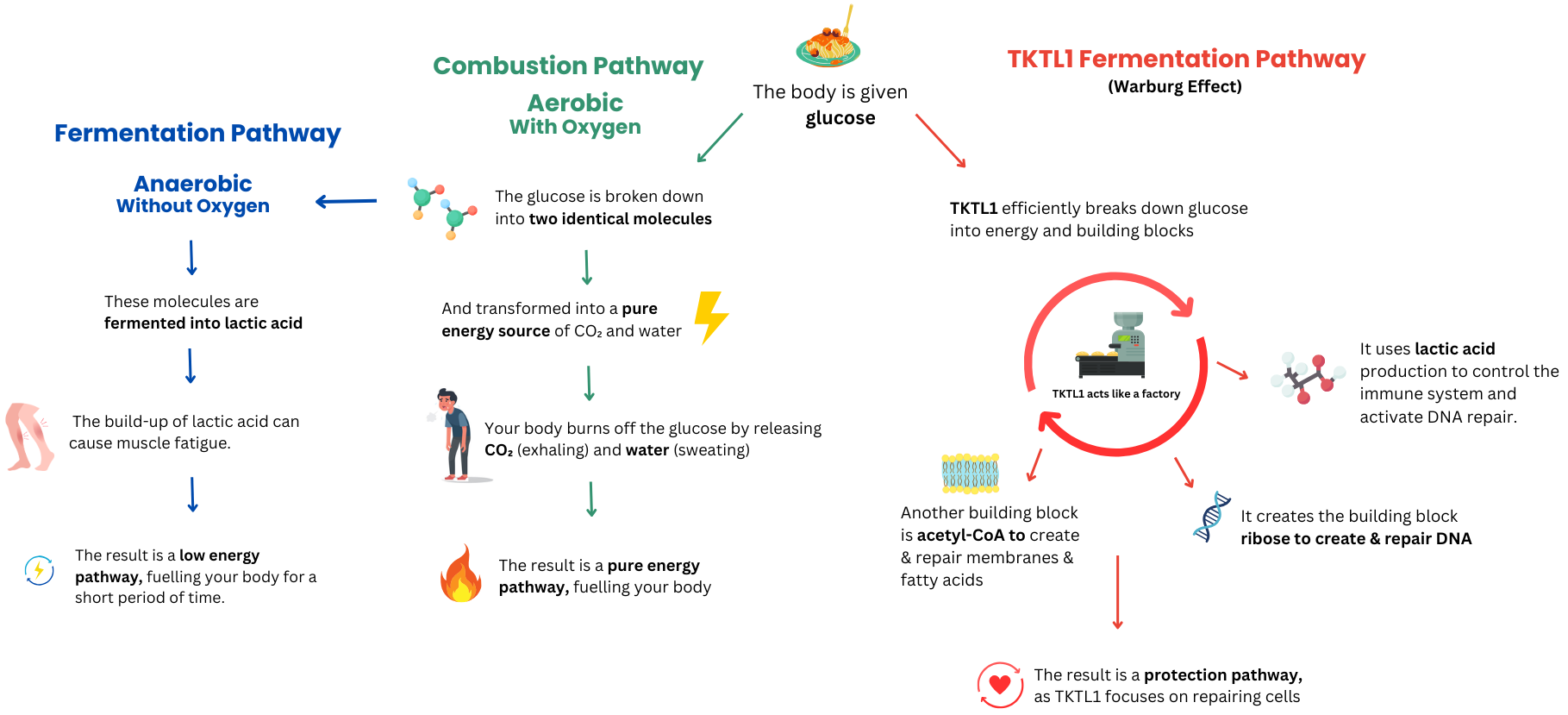
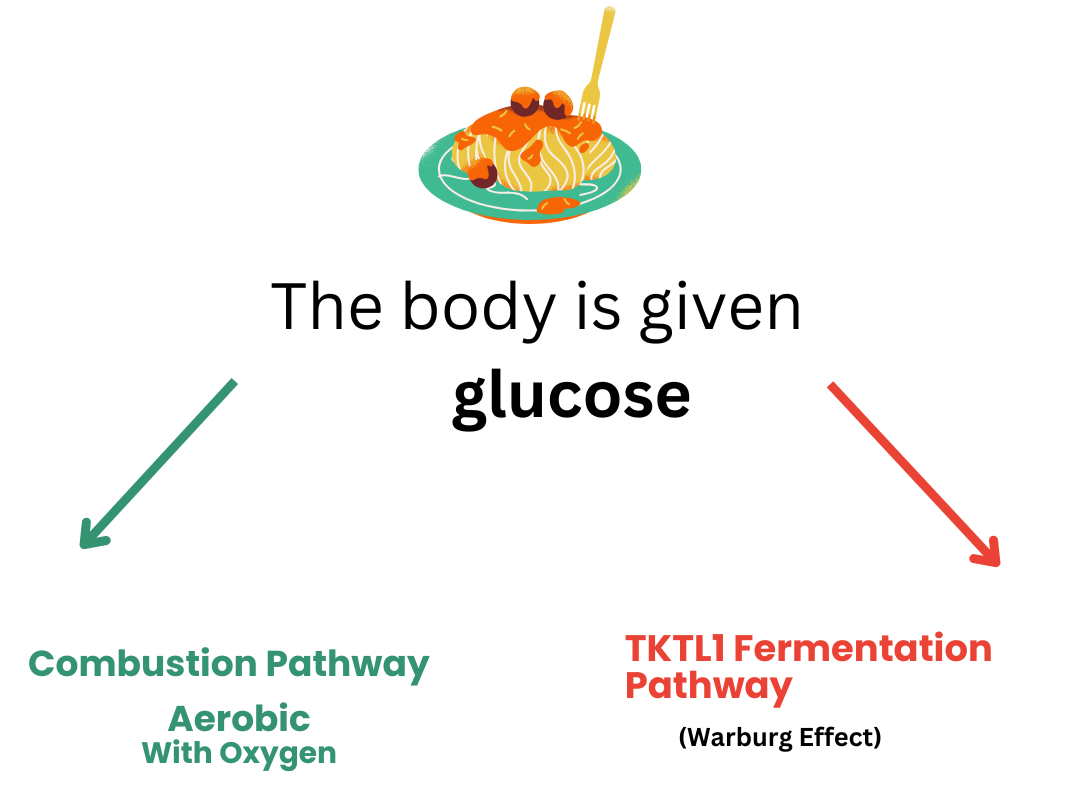
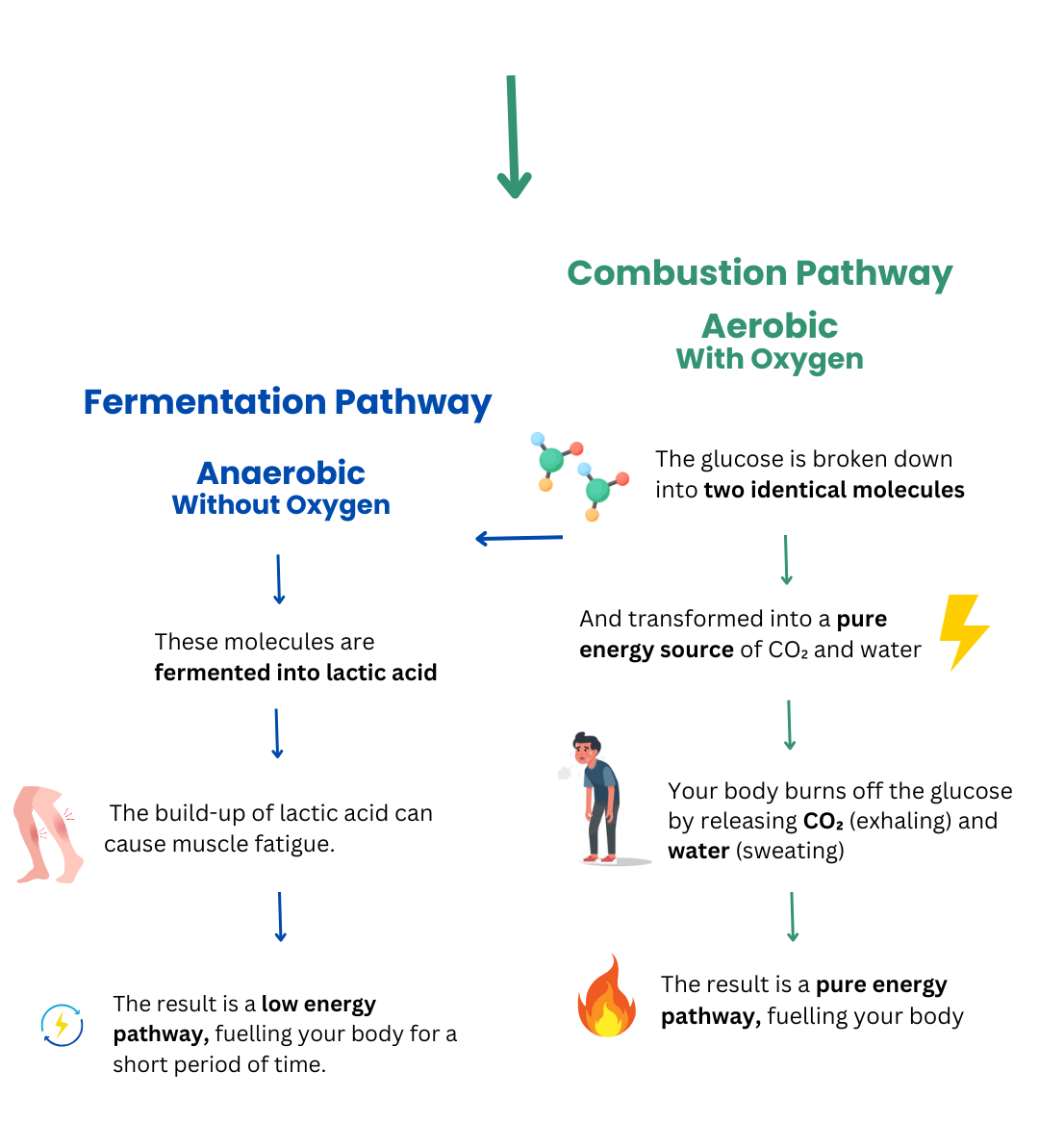
The body extracts energy from food using two completely different pathways:
| Classic Calories | Fermenting Calories | Oxidising Calories | |
|---|---|---|---|
| Galactose | 4 kcal / g | 0 kcal / g | 4 kcal / g |
| Sucrose | 4 kcal / g | 4 kcal / g | 4 kcal / g |

Oxidising (using oxygen to release pure energy)

Making Energy from Metabolism
- Galactose requires more energy to process.
- It uses the Leloir metabolic pathway.
- Energy is released slowly and steadily.
- Cannot be used for fermentation, so the cell has to use its mitochondria and oxygen instead.
- Increases respiration (using oxygen) to make energy.
Slow-Release Energy
- The gradual energy release prevents spikes and dips in blood sugar levels.
- This helps you feel energized for longer periods of time.
- The steady energy release reduces lethargy and cravings.
- The glycaemic index (GI) is 20, which is 70% less than sucrose.
Galactose’s unique metabolic effect makes it ideal for:

Diabetes

Cancer

Children

Memory

Dental

Sports
Frequently asked questions
Is Galactose safe?
Yes. Galactose is naturally derived from milk sugar (lactose). It is not an artificial sweetener. It is not suitable for people with galactosaemia, a rare inherited condition in which the body cannot process galactose.
Is galactose good for diabetics?
Galactose has a low glycaemic index of 20 and is taken up by cells without insulin, so it produces a much smaller rise in blood glucose and insulin than classic sugar. Anyone with diabetes should discuss changes to their diet with their diabetes team, since it may affect their medication or insulin.
Is galactose safe for cancer patients?
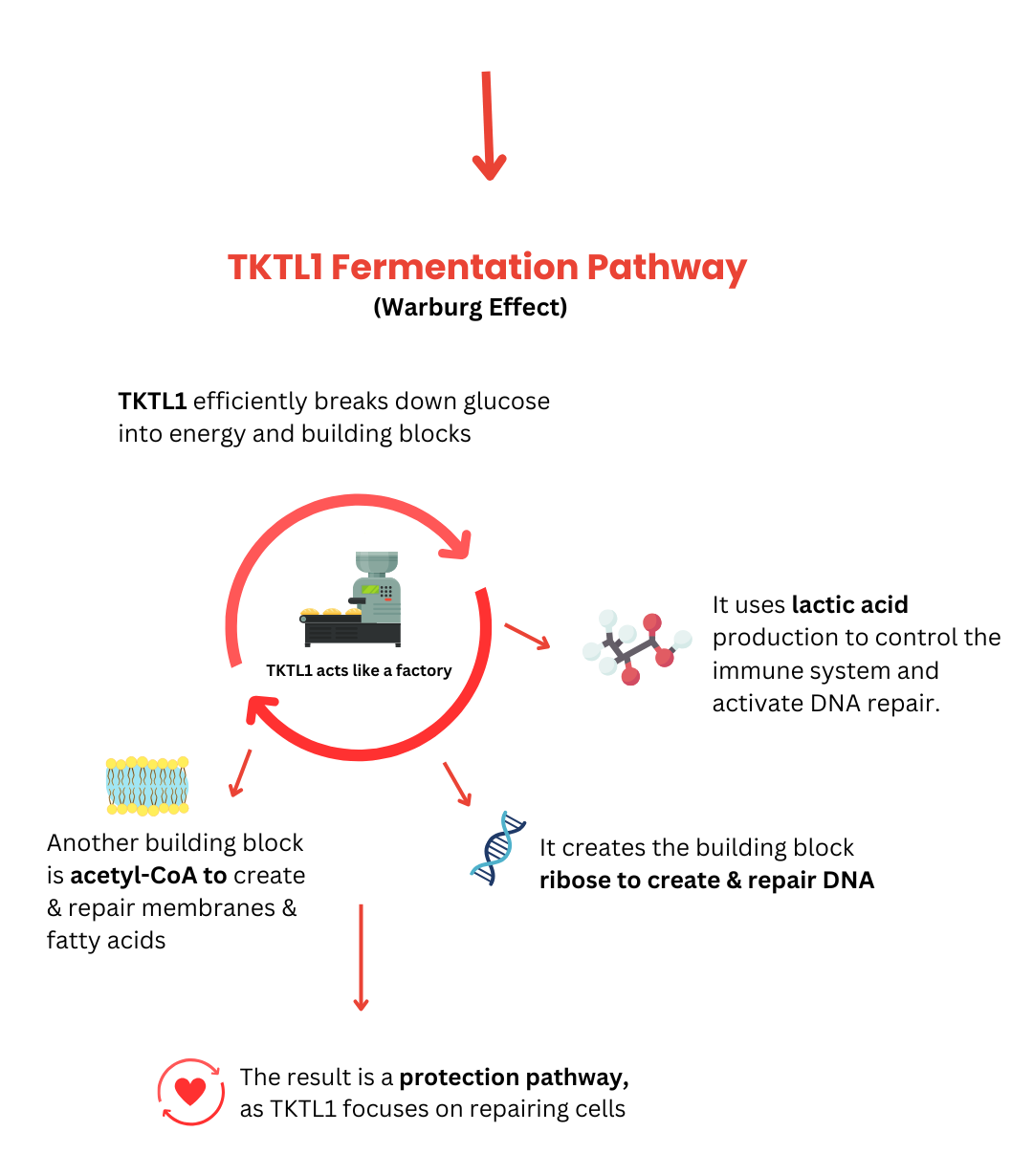
Galactose produces a much smaller rise in blood glucose than classic sugar. Nobel Prize winner Otto Heinrich Warburg established in the 1920s that tumour cells take up glucose rapidly and convert it to lactic acid, even when oxygen is available. Dr Coy’s own work took that finding further. Looking for sugars that do not feed this fermentation pathway, his research identified galactose as one that cannot be used for fermentation, because converting it costs the cell as much energy as it releases. Anyone undergoing cancer treatment should discuss their diet only with their treating oncologist.
Is galactose healthy?
Galactose has a low glycaemic index, is taken up by cells without insulin, and is not converted into acid by the bacteria that cause tooth decay. The science section above sets out what the research covers.
What is galactose made from?
Galactose is a natural, simple sugar (monosaccharide).
Galactose is derived from milk sugar (lactose). However, unlike lactose, galactose can be tolerated by people with lactose intolerance. Galactose is naturally found in breast milk and integral to early brain development in newborns.
What is the relationship between galactose and glucose?
Galactose and glucose are made of exactly the same atoms, arranged in almost the same way. The difference is the position of a single hydroxyl group. That one difference is enough that the body cannot use galactose directly. It has to be converted into glucose through several enzymatic steps, which takes time and energy. This provides the body with sustained energy and prevents a spike in blood sugar levels.
What does galactose taste like?
Galactose looks exactly like household table sugar. It tastes slightly less sweet than classic sugar. Although galactose has the same calorie content as classic sugar, it uses more energy to process, so less of that energy is left over for the body to store.
Is galactose keto-friendly?
Yes. Galactose can be considered keto-friendly because it produces only a small rise in blood sugar and insulin.
Where can I buy galactose?
This site is informational and does not sell anything. If you would like help finding companies that use Dr Coy’s sugars and sugar mixtures, email us at info@intelligentsugar.info and we will point you in the right direction.
Does galactose raise blood sugar levels?
Because galactose takes substantial time and energy for the body to process, the rise in blood sugar is much smaller than with classic sugar. Galactose enables a steady supply of energy to the body, helping improve concentration and mood.
Why is galactose called a ‘brain sugar’?
Galactose is known as a ‘brain sugar’ because it is the sugar the brain is built from. When J.L.W. Thudichum, the founder of brain chemistry, isolated these substances from brain tissue in 1874, he named the sugar he obtained ‘cerebrose’, after the brain. It was later identified as galactose. In the central nervous system the sugar component of cerebroside is always galactose, while elsewhere in the body, in liver, spleen and red blood cells, it is glucose. Galactocerebroside makes up around 16% of the total lipid in the adult brain and is concentrated in myelin, the insulating sheath around nerve fibres.
As we age, insulin resistance can impair the glucose supply to the hippocampus, the part of the brain responsible for memory. Galactose enters brain cells without needing insulin. Dr Coy concludes that it can therefore still reach the hippocampus when glucose is struggling to. This is the mechanism research in this area is examining.
Is galactose digestible?
Research & Resources
Published in the American Journal of Clinical Nutrition. The researchers concluded that galactose consumption is associated with higher endogenous fat mobilization and oxidation during meal absorption.
“Galactose consumption is associated with higher endogenous fat mobilization and oxidation during meal absorption”
This study shows the effectiveness of galactose to prevent cavities and improve oral health.
“5.0% galactose reduces the amount of caries on a high significance level, lowers the abrasion of the chewing surfaces, possibly because of the increased amount of serum calcium related to this galactose concentration, and diminishes the amount of film.”
This study tested the effects of a toothpaste made with galactose, which prevented dangerous biofilm growth on bovine teeth.
“Our results suggest that d-galactose can be a candidate substance for the development of oral hygiene products to prevent caries by inhibiting the biofilm formation of S. mutans”
In this laboratory study, researchers replaced glucose with galactose in order to force cells to generate their energy through mitochondrial respiration rather than glycolysis. The researchers reported that this reduced the migration and invasive growth they were measuring. This is the metabolic distinction Dr Coy’s work is built on.
“In order to test whether TKT’s promotion of colorectal cancer metastasis is dependent on glycolysis, we used galactose which induced cells to survive on ATP provided by mitochondrial respiration instead of glucose.”
Further Studies
- Galactose enhances oxidative metabolism and reveals mitochondrial dysfunction in human primary muscle cells
- Centella asiatica Protects d-Galactose/AlCl 3 Mediated Alzheimer’s Disease-Like Rats via PP2A/GSK-3β Signaling Pathway in Their Hippocampus
- Metabolism of galactose in the brain and liver of rats and its conversion into glutamate and other amino acids
-
Oral Galactose Provides a Different Approach to Incretin-Based Therapy of Alzheimer’s Disease