Trehalose vs. Classic Sugars
These are the main differences between trehalose and classic sugars that you find in most processed foods, restaurants and home kitchens.
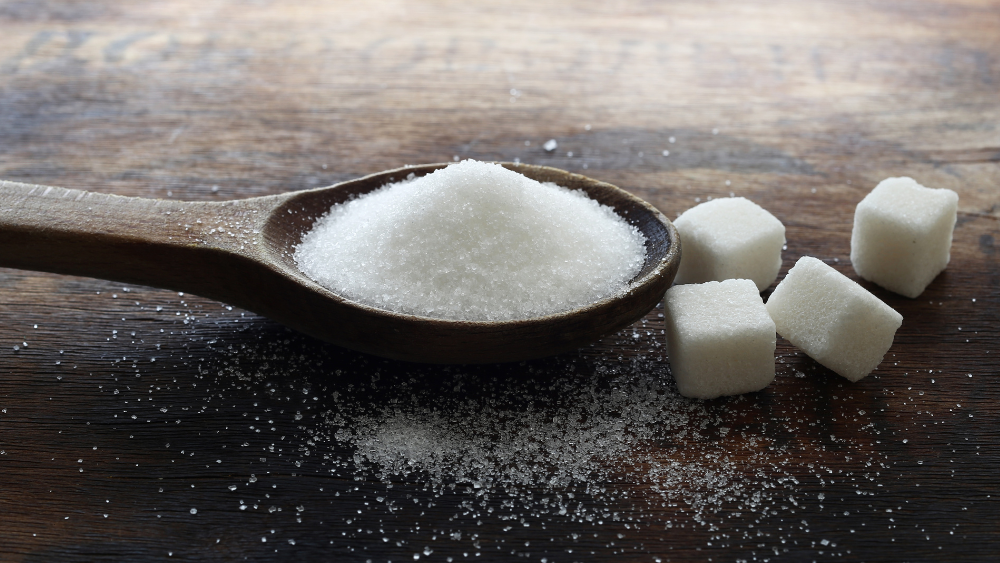
Trehalose
- Produces a smaller rise in blood glucose, so less glucose attaches to haemoglobin, the protein that carries oxygen in the blood.
- Low GI
- Slow and steady energy supply, preventing the blood-sugar ‘rollercoaster’.
- Studied in animals for its effects on lipid metabolism.
- Provides a steady supply of glucose to the brain, released gradually rather than all at once.
- Provides long-lasting energy improving endurance and helping enhance the efficiency of muscle cells.
- Oral bacteria produce less acid from trehalose than from sucrose.
- Because insulin stays lower, the body is not pushed as hard into storing mode, which is Dr Coy’s reason for including it.

Classic Sugar
-
Sticks to red blood cells (impairing the haemoglobin that is critical for oxygen transport) and elevates HbA1c.
-
High GI.
-
Rapid energy which crashes, causing hunger and lethargy (tiredness and mental fog).
-
Increases production of cholesterol by the liver in response to inflammation.
-
Associated in studies with reduced focus, impaired memory, lower BDNF (a protein involved in learning), and increased oxidative stress.
-
Encourages fermentation by-products impairing muscle function and increasing inflammation.
-
Feeds bad bacteria that cause bad breath, plaque, and demineralize teeth.
-
Promotes fat storage and restricts metabolic access to using fat for fuel.
How can I use trehalose?
Trehalose is about 45% as sweet as regular sugar, with a clean, neutral taste.
It is suitable for use in any recipe that calls for sugar and dissolves quickly in both hot and cold liquids.
Trehalose can be used for baking, and it browns well and caramelizes at high temperatures.

Your Personal Sugar Strategy
One of the challenges when replacing classic sugars, with Dr Coy’s sugars, is that they have different properties:
- Some are great for baking, others are better for ice-cream.
- Some taste super sweet, others much less so.
- Some have the same calories as classic sugars, others have less.
Also, we each have different needs when it comes to energy, and preferred levels of sweetness:
- An athlete needs more energy than an office worker.
- Some people prefer sweeter tastes.
-
People managing their weight or living with diabetes have their own considerations.
So, to make it easier, Dr. Coy developed sugar mixtures based on personal and functional needs.