
When people hear the word “sugar”, they often think of sweetness, energy, and blood glucose. However, scientific research increasingly recognises that different sugars may behave in distinct ways within biological systems.
One sugar that has attracted growing scientific attention in recent years is trehalose.
A recent review published in Current Medical Science summarises a broad range of pre-clinical and early-stage research exploring trehalose and its potential biological relevance across areas of scientific investigation, including metabolic research, cardiovascular biology, and cellular processes.
What is trehalose?
Trehalose is a naturally occurring disaccharide composed of two glucose molecules.
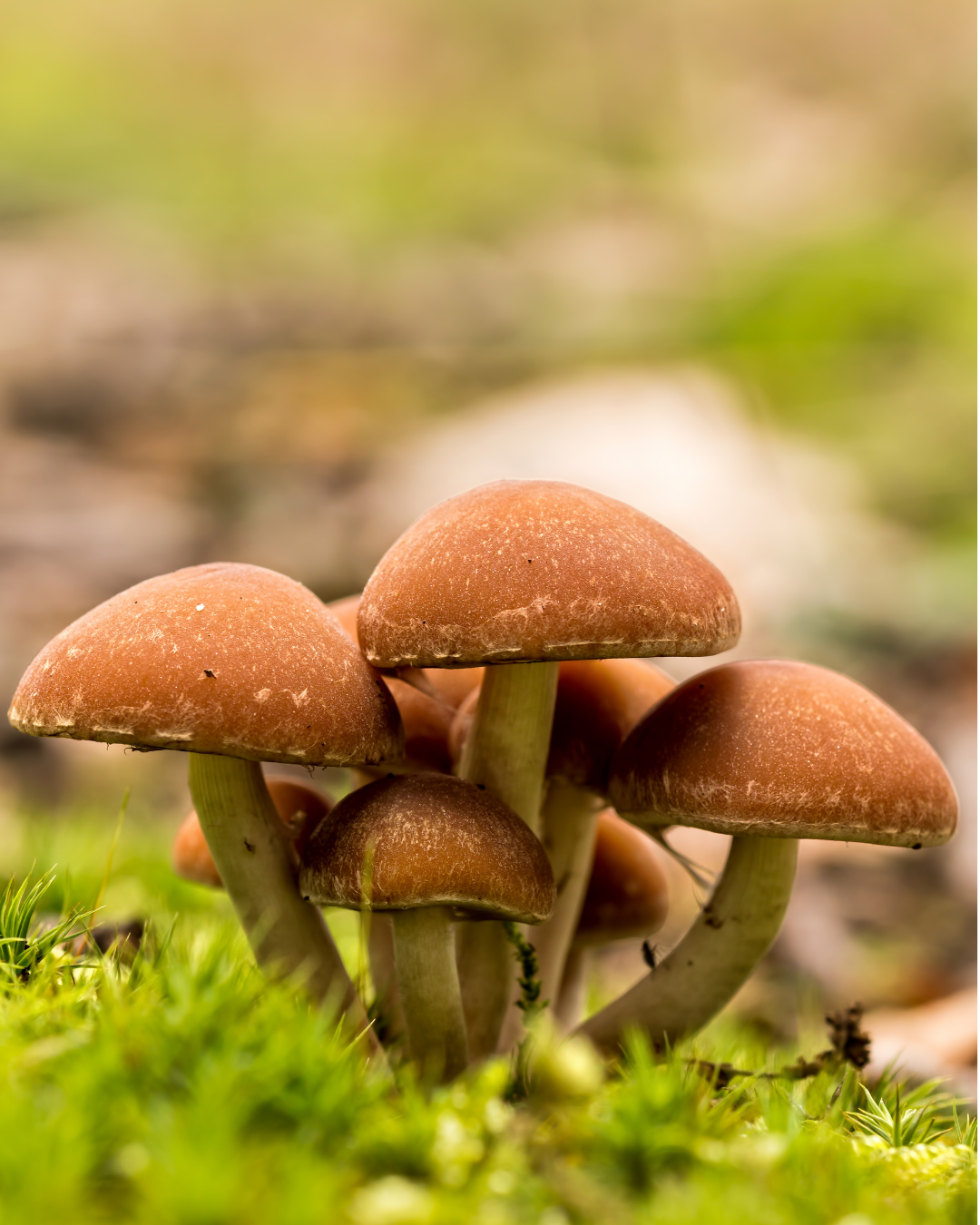
It is found in organisms such as yeast, fungi, seaweed, and some plants and insects, where it plays a role in helping cells withstand environmental stress such as dehydration, heat, and freezing conditions.
Researchers have been interested in whether some of these biological characteristics may be relevant in human physiological contexts.
A focus of ongoing research interest
The review highlights trehalose as a compound studied across multiple experimental models.
Across the studies included in the review, trehalose has been associated with changes in metabolic signalling, cellular stress responses, and pathways linked to protein handling and autophagy.
Additional pre-clinical research has explored its effects in models related to inflammation, cardiovascular markers, and neurodegenerative processes.
Metabolic health and ongoing investigation
One area of interest is metabolic health, particularly obesity and type 2 diabetes.
The review summarises experimental studies in which trehalose has been associated with changes in glucose metabolism markers and lipid metabolism pathways in animal and cellular models. These findings form part of ongoing experimental research into metabolic regulation.
Trehalose in broader biomedical research
The review also describes exploratory research into a range of other conditions, including cardiovascular disease, neurodegenerative disorders, and rare genetic diseases.
In these contexts, trehalose has been studied in relation to cellular processes such as protein stability, stress responses, and cellular housekeeping mechanisms.
A changing perspective on sugars
The review highlights a growing body of research investigating whether trehalose may interact with various biological processes in ways that differ from those traditionally associated with sugars.
The findings contribute to a growing scientific discussion that different sugars may interact with the body in different ways, although these interactions continue to be investigated.
This reflects a broader shift in nutritional science, where sugars are increasingly studied not only as energy sources but also as structurally and functionally diverse molecules.
The bottom line
Research into trehalose is still evolving, and current understanding is largely based on pre-clinical evidence.
The review contributes to a wider scientific conversation about the diversity of sugars and the importance of understanding their individual properties rather than treating them as a single category.
From this perspective, trehalose represents an interesting example of how naturally occurring sugars are being explored within modern biomedical research.
Reference
Rahbardar M, Kesharwani P, Sahebkar A. Trehalose: A promising therapeutic agent for diverse pathological conditions. Current Medical Science. 2026. PMID: 41790392.