A new study has highlighted the powerful effects of a ketogenic diet on metabolic health, particularly on liver fat, insulin sensitivity and blood glucose regulation.
Published in Cell Metabolism, the study compared three different dietary approaches in people with obesity, elevated blood glucose and fatty liver: a ketogenic diet, a Mediterranean diet and a low-fat, plant-based diet.
Although participants in all three groups lost around 10% of their body weight, the ketogenic group experienced particularly significant metabolic improvements. Liver fat fell by an average of 67%, while insulin sensitivity also improved substantially. Around half of those following the ketogenic diet no longer met the criteria for prediabetes after the intervention.
The metabolic switch
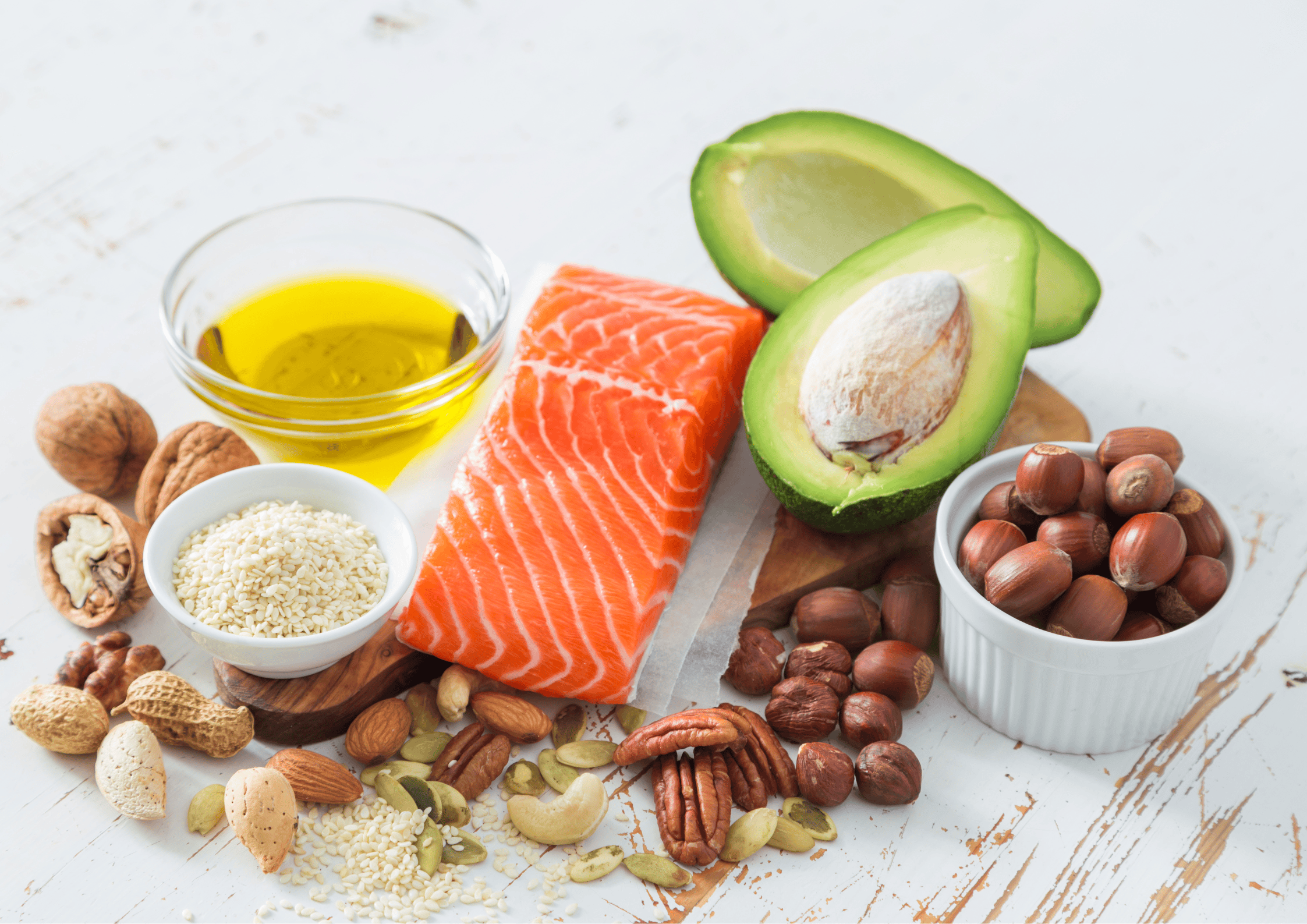
The ketogenic diet used in the study was extremely low in carbohydrates, providing around 4% of total calories from carbohydrates and 73% from fat.
With glucose availability significantly reduced, the body begins to shift its energy metabolism. Instead of relying primarily on glucose, it increases the use of fatty acids and produces ketone bodies as an alternative energy source.
This metabolic shift is central to the thinking behind The Dr. Coy Principle.
Dr. Coy’s research focuses on the different ways cells can use sugar for energy. His work on the TKTL1 gene led to a greater understanding of the fermentation pathway used by many cancer cells, in contrast to the mitochondrial combustion pathway used by healthy cells.
The Dr. Coy Principle therefore places carbohydrate management at the heart of its nutritional approach: reducing conventional carbohydrates that release glucose while incorporating specific sugars that behave differently in the body.
Not all sugars are the same
This is where the approach differs from simply following a conventional ketogenic diet.
Dr. Coy’s work recognises that sugar is not one single metabolic entity. Galactose and mannose, for example, are metabolised differently from glucose and, according to Dr. Coy’s metabolic model, do not activate the TKTL1 fermentation pathway in the same way. Tagatose has yet another metabolic profile, with much of it passing to the colon rather than being absorbed in the small intestine.
The study therefore provides an interesting demonstration of a principle that has been central to Dr. Coy’s work for years: changing the body’s fuel supply can change the way cells produce energy.
Rather than viewing nutrition simply in terms of calories, the focus shifts towards metabolic function, what fuels are available, how they are processed, and which energy pathways they support.
The ketogenic diet demonstrates what happens when conventional carbohydrate availability is dramatically reduced.
The Dr. Coy Principle takes the concept further by asking another important question:
What if we don’t have to eliminate sugar completely, but instead choose sugars that the body handles differently?
Understanding that not all sugars are the same, and that different sugars can influence metabolism in different ways, is at the foundation of the Dr. Coy Principle.