
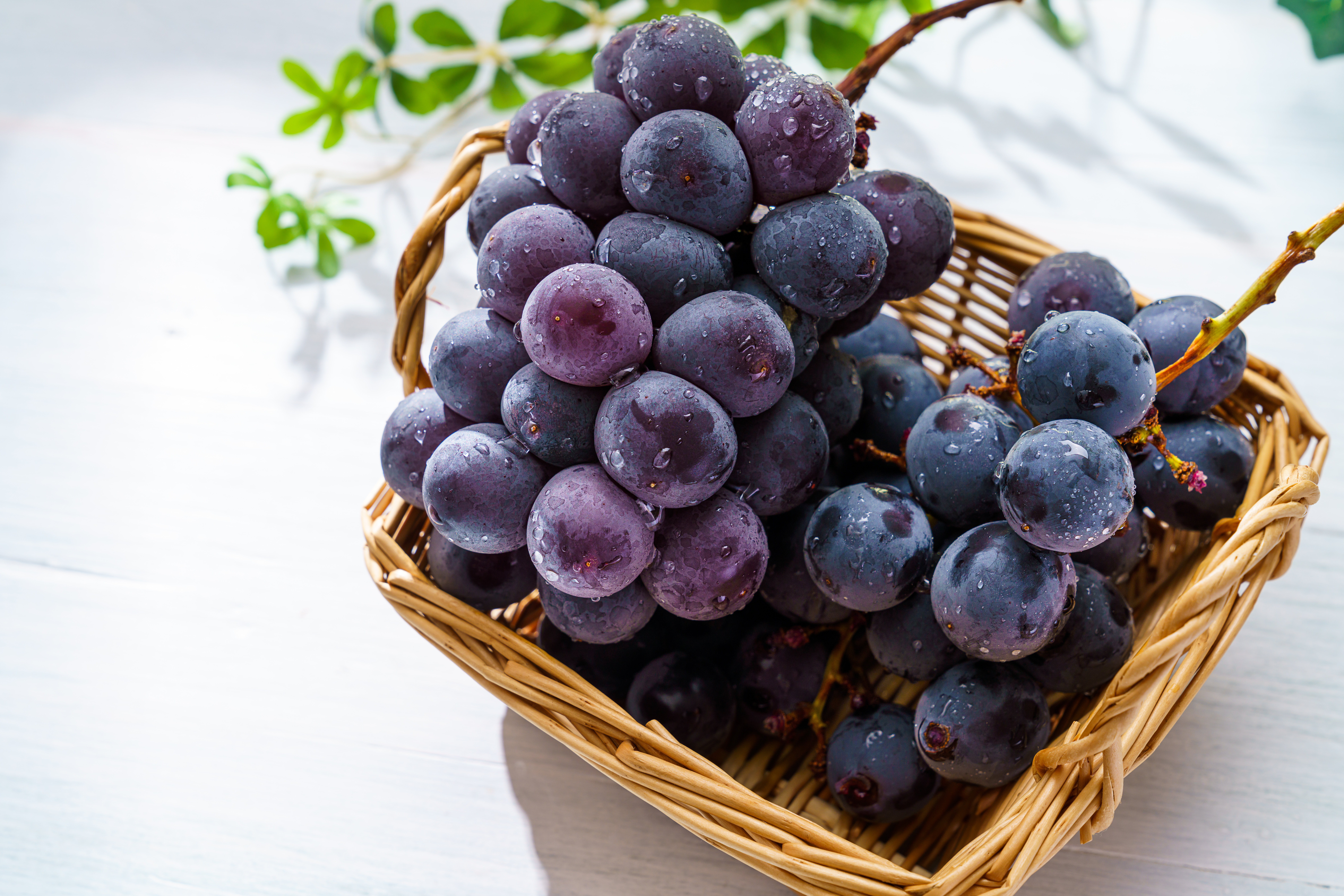
Recent research reveals that trehalose does more than provide sweetness, it contributes to stability and resilience at the cellular level. In a study on postharvest Kyoho grapes, trehalose was shown to help maintain fruit quality and extend shelf life by supporting the fruit’s own protective mechanisms.
Trehalose is structurally distinct from common dietary sugars like glucose and fructose. Its unique properties allow it to stabilise proteins and cellular membranes when organisms face stress. In this study, researchers applied trehalose to harvested grapes and used transcriptomic and metabolomic analyses to observe changes in gene expression and metabolic pathways. The results showed enhanced antioxidant activity, reduced microbial decay, and better retention of quality indicators compared with untreated fruit.
Mechanistically, trehalose influenced phenolic compound metabolism and amino acid pathways, both of which are important for defence against oxidative stress. By supporting these endogenous systems, trehalose helped the fruit resist deterioration, a finding that aligns with its known role as a molecular stabiliser in many organisms.
While this research focused on postharvest fruit physiology, it underscores a broader principle: the metabolic behaviour of specific sugars matters. Unlike high-glycemic sugars that rapidly elevate blood glucose, trehalose interacts with cellular processes in ways that can support stability, resilience and balance.
This research highlights how certain sugars behave differently from conventional sugars. Rather than being “empty calories,” certain sugars like trehalose can play functional roles that extend beyond energy alone.
As research advances, it becomes clearer that certain sugars can support metabolic health, enzymatic balance and cellular defence, a principle central to the Intelligent Sugar approach.
Resource:
Ahmed, M., Nazir, S., Nong, Y., & Jia, H. (2026). Trehalose improves postharvest Kyoho grapes quality based on transcriptome and metabolome analysis. Journal of Food Safety, 46(1), e70057. https://doi.org/10.1111/jfs.70057