Mannose vs. Classic Sugars
Mannose is a simple sugar (monosaccharide) similar to glucose. It occurs naturally in various fruits such as cranberries, oranges, and apples, as well as in seeds and coffee beans. In the body, mannose plays a key role in the formation of glycoproteins, essential molecules involved in cell communication and immune function.
Mannose has also been studied for its role in metabolic health, immune responses, and the metabolism of tumour cells. Research has examined its effects on inflammation, the gut, and tumour growth.
With about 60% of the sweetness of sucrose, mannose offers mild sweetness alongside the functional properties described below.
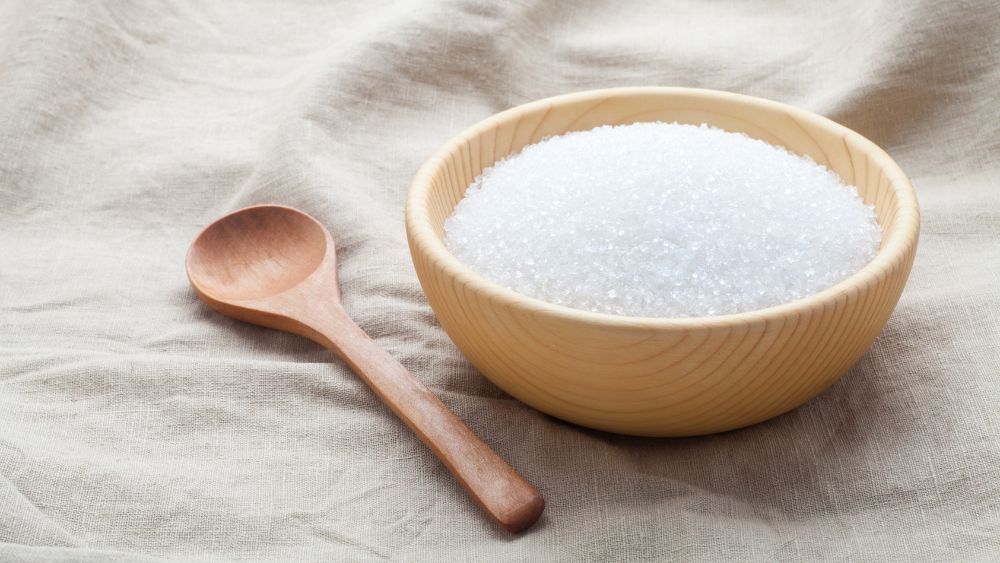
Mannose
- Naturally occurring simple sugar, structurally similar to glucose.
- Minimal impact on blood glucose; low glycemic effect.
- Mannose inhibits the pentose phosphate pathway (PPP), the cellular workshop that makes building blocks for growth, beneficial for normal cells but can be exploited by cancer cells to fuel their rapid division if blood glucose levels are constantly high.
- Regulates the gut microbiome and improves metabolic health; prevents diet-induced obesity.
- Cancer metabolism research: inhibits the pentose phosphate pathway (PPP), with studies reporting reduced tumour growth and effects alongside chemotherapy and immunotherapy in laboratory and animal models.
- Anti-inflammatory: protects intestinal barrier integrity and promotes recovery in colitis.
- Brain signalling: studied for its effects on BDNF and TPH2 levels.
- Can be used in specialized nutritional formulations for therapeutic benefit.

Classic Sugar
- Sticks to red blood cells (impairing the haemoglobin that is critical for oxygen transport) and elevates HbA1c.
- High GI.
- Rapid energy which crashes, causing hunger and lethargy (tiredness and mental fog).
- Increases production of cholesterol by the liver in response to inflammation.
- Associated in studies with reduced focus, impaired memory, lower BDNF (a protein involved in learning), and increased oxidative stress.
- Encourages fermentation by-products impairing muscle function and increasing inflammation.
- Feeds bad bacteria that cause bad breath, plaque, and demineralize teeth.
- Promotes fat storage and restricts metabolic access to using fat for fuel.
How can I use mannose?
Mannose is being used as a dietary supplement in powder or capsule form, typically ranging from 1–3 grams per day for general metabolic or gut health support. In addition it is currently being used as an ingredient in functional foods as a low-glycemic sugar alternative, providing sweetness without causing significant blood sugar spikes.
Mannose is also used in specialised nutritional formulations under professional supervision. It is generally well-tolerated, though very high doses may cause mild digestive discomfort. Anyone using mannose for a specific health reason should speak to a healthcare professional first.

Your Personal Sugar Strategy
One of the challenges when replacing classic sugars, with Dr Coy’s sugars, is that they have different properties:
- Some are great for baking, others are better for ice-cream.
- Some taste super sweet, others much less so.
- Some have the same calories as classic sugars, others have less.
Also, we each have different needs when it comes to energy, and preferred levels of sweetness:
- An athlete needs more energy than an office worker.
- Some people prefer sweeter tastes.
- People managing their weight or living with diabetes have their own considerations.
So, to make it easier, Dr. Coy developed sugar mixtures based on personal and functional needs.