
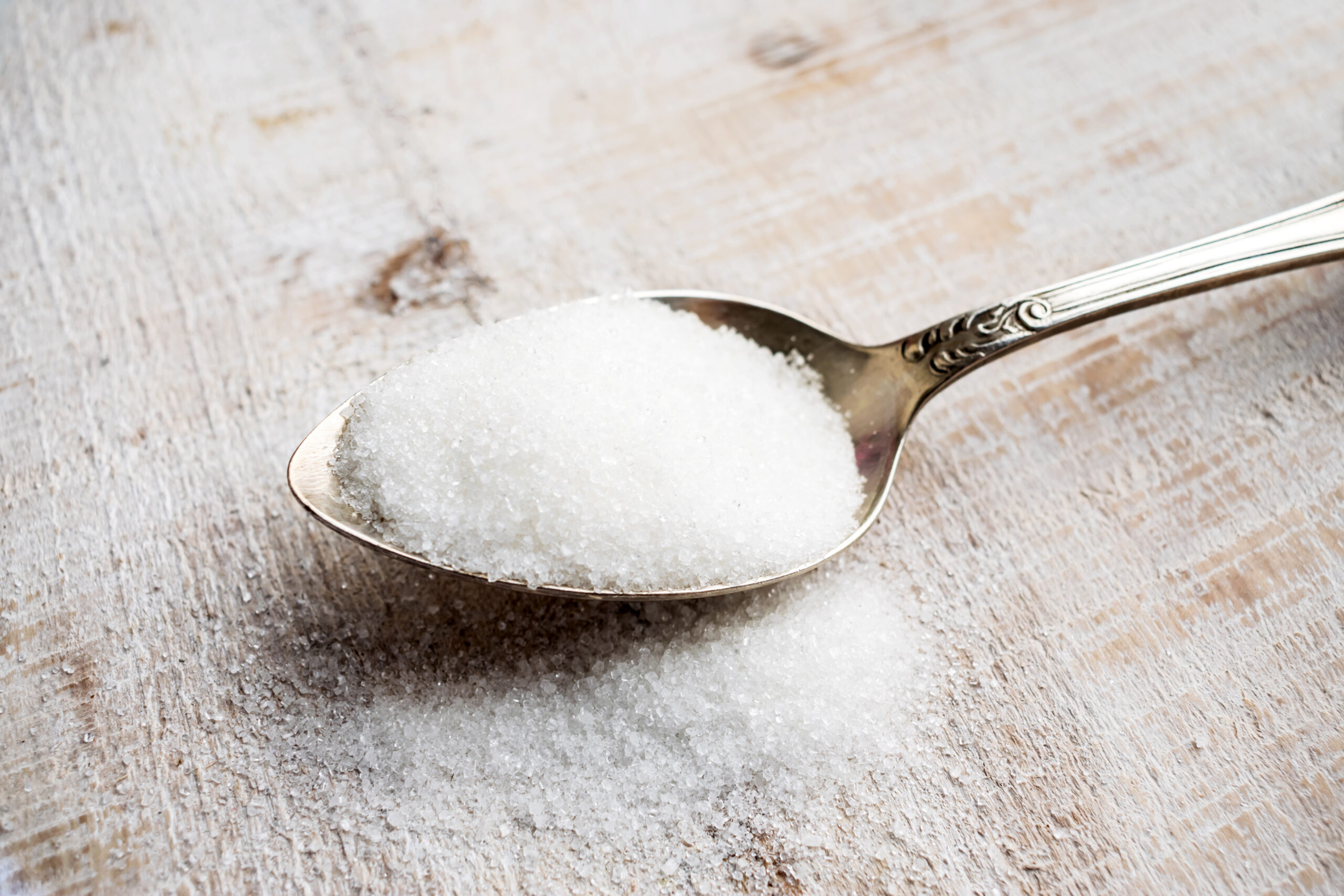
When most people think of sugar, they imagine empty calories and rising blood glucose. But not all carbohydrates behave the same way. Some, like trehalose, don’t simply fuel the body — they interact with cells in ways that might support health. A new scientific review published in Current Medical Science highlights why researchers around the world are paying attention to this unusual molecule.
What Is Trehalose?
Trehalose is a naturally occurring carbohydrate made of two glucose units linked together. It isn’t used primarily to sweeten foods, and its metabolism in the body is very different from common sugars like sucrose. Instead, trehalose acts as a stable, protective molecule in nature, helping organisms survive stress and preserve cellular structures¹.
What the Review Found
The researchers investigated the latest evidence on trehalose’s roles in health and disease. Their review summarises how trehalose’s unique biology could be useful in managing many pathological conditions.
Here’s what the review highlights:
- Stress Resistance and Cellular Protection – Trehalose can enhance cell stress resistance and protect vital cellular structures. This gives it potential as a supportive compound across diverse pathological states.
- Metabolic Benefits – Early research suggests trehalose may help regulate glucose balance, improve insulin sensitivity, and influence lipid metabolism, factors relevant to conditions like diabetes and obesity.
- Cancer Research – Laboratory studies show trehalose might inhibit tumour growth and promote cancer cell death, though more research is needed.
- Broad Applications – Beneficial effects have also been observed in models of cardiovascular disease, bone and joint disorders, and several genetic and rare diseases.
The authors are careful to note that while existing data are promising, larger clinical trials and a deeper understanding of how trehalose works in humans are essential for future therapeutic development.
Why Trehalose Is Interesting for Metabolic Health
One reason trehalose is attracting scientific interest is how it interacts with basic cellular processes. For example, research outside this review has shown trehalose may help activate autophagy, the cell’s own recycling system. This process is vital for clearing damaged proteins and debris, which is relevant to diseases from diabetes to neurodegeneration.
Trehalose also appears to influence oxidative stress and inflammation, two underlying drivers of many chronic diseases.
Trehalose and the Future of Sugar
This review doesn’t suggest trehalose should be used as a medicine yet, but it highlights that not all sugars are metabolically the same. Some, like trehalose, interact with our biology in ways that extend far beyond energy metabolism. At Intelligent Sugar, we have long believed that the future of nutrition depends on understanding the distinct roles of different sugars rather than treating them as a uniform category. This review reinforces that perspective and points toward a future where selected sugars are valued not just for taste, but for their unique and beneficial effects on health.
References
Ghasemzadeh Rahbardar, M., & Hosseinzadeh, H. (2026). Trehalose: A Promising Therapeutic Agent for Diverse Pathological Conditions. Current Medical Science.