What is Tagatose?
Tagatose is a sweet simple sugar (monosaccharide), with a very low glycaemic index and low-calorie content. It produces a much smaller rise in blood sugar and insulin than classic sugar.
Tagatose is derived from lactose. However, unlike lactose, tagatose can be tolerated by people with lactose intolerance. Breast milk is also a source of tagatose, providing babies with energy and feeding the bacteria in the gut.
Tagatose occurs naturally at low levels in the gum from Sterculia setigera (an evergreen tree).
It is considered as sweet as classic sugar, but has 60 – 70% fewer calories.
Tagatose at a glance
- Produces a lower blood glucose rise than sugar
- Low glycaemic index
- Low-calorie
- Slows the uptake of other sugars eaten alongside it
- Fermented by gut bacteria in the large intestine, producing butyrate
- Not converted into acid by the bacteria that cause tooth decay
More and more independent accredited research highlights additional properties of tagatose, including its effects on cellular ageing, blood fat profiles, HDL cholesterol, the gut microbiome and inflammation.

What makes Tagatose special

Low calorie

Sustains energy levels

Tooth-friendly

Lower blood glucose rise

Tagatose, insulin and fat
Dr Coy describes tagatose as acting like a sugar blocker. It is only partly absorbed in the small intestine, and it slows down the uptake of other sugars eaten alongside it, so the blood glucose rise after a meal is lower than it would otherwise be.
A study using 45g of tagatose a day, taken as three 15g doses, reported a weight loss of 5.1kg over a year.
Another recent study also demonstrated that insulin leads to the first steps of cell division and DNA duplication in fat cells. As a result, the fat cells produce substances causing inflammation, organ dysfunction, and premature ageing. Therefore, high levels of insulin cause a very negative effect on fat cells.
This study supports what Dr Coy has long argued. Fat cells do not simply sit there as stored energy. When insulin keeps driving them, they begin producing substances that cause inflammation and damage elsewhere in the body. His conclusion is that keeping insulin low is what stops that process starting, and that is what his sugars are chosen to do.
What the science says about tagatose?
“Consumption of foods/drinks containing tagatose instead of other sugars induces a lower blood glucose rise after their consumption compared to sugar-containing foods/drinks.
Consumption of foods/drinks containing tagatose instead of other sugars contributes to the maintenance of tooth mineralisation.”

-
 Low glycaemic index and insulin-independent metabolism, leading to a minimal impact on blood glucose levels.
-
 Has been found to increase levels of GABA in the brain, a neurotransmitter associated with relaxation.
-
 May improve lipid profiles by reducing LDL (low-density lipoprotein) cholesterol levels.
-
 Tagatose promotes hepatic glycogen storage and prevents glycogen breakdown, this helps the body store more energy for longer while reducing blood glucose levels.
-
 Tagatose has prebiotic properties that can promote the growth of beneficial gut bacteria and help remove toxic ammonia from the body. Studies have also examined its effects on the gut barrier and on inflammation caused by pathogens and toxins.
-
 Studies have examined tagatose and inflammatory markers, and its effects on immune signalling.
-
 Tagatose has a very low glycaemic index and doesn't cause a significant increase in insulin levels, which is why it has been studied in people with diabetes.
-
 Tagatose is metabolized in the liver without the need for insulin, so it doesn't lead to fat deposition in the liver. Studies have examined its effects on liver inflammation and insulin sensitivity.
-
 Tagatose is not converted into acid by the oral bacteria associated with tooth decay. Studies have examined its effects on those bacteria and on mineral loss from tooth enamel.
-
 Tagatose can serve as a building block for the creation of cerebrosides and gangliosides, which are important glycoproteins found in the nervous system.
How does the calorie content of tagatose compare to sucrose?
Using the classic ‘a calorie is just a calorie model’ (developed in 1848) it’s hard to quantify how incredible tagatose is, but when we revise the model to reflect reality, we can see why it energises us very differently.
As of October 2016, EFSA officially adopted tagatose as a reduced calorie sugar, with an energy content of 2.8 kcal per gram. The actual calorie content may be even lower. In the USA, the calorie content is 1.5 kcal.
| Classic Calories | Fermenting Calories | Oxidising Calories | |
|---|---|---|---|
| Tagatose | 1.5 kcal / g (USA) 2.8 kcal / g (UK & EU) | 0 kcal / g | 1.5 kcal / g (USA) 2.8 kcal / g (UK & EU) |
| Sucrose | 4 kcal / g | 4 kcal / g | 4 kcal / g |
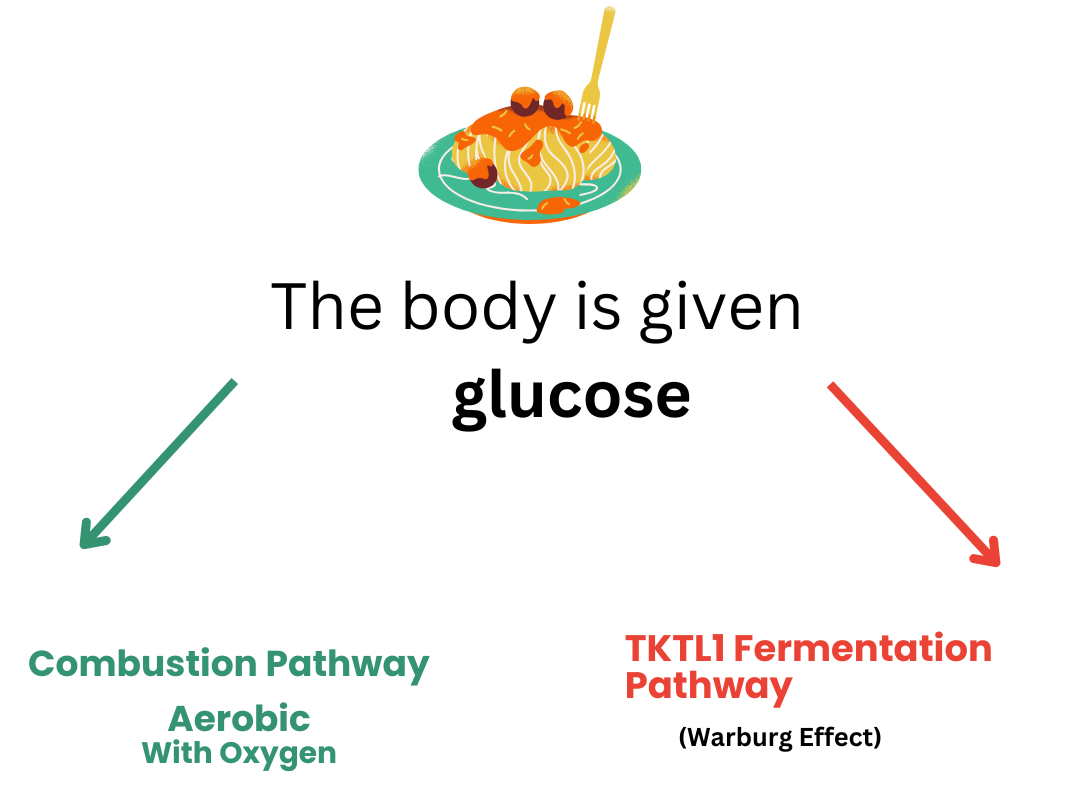
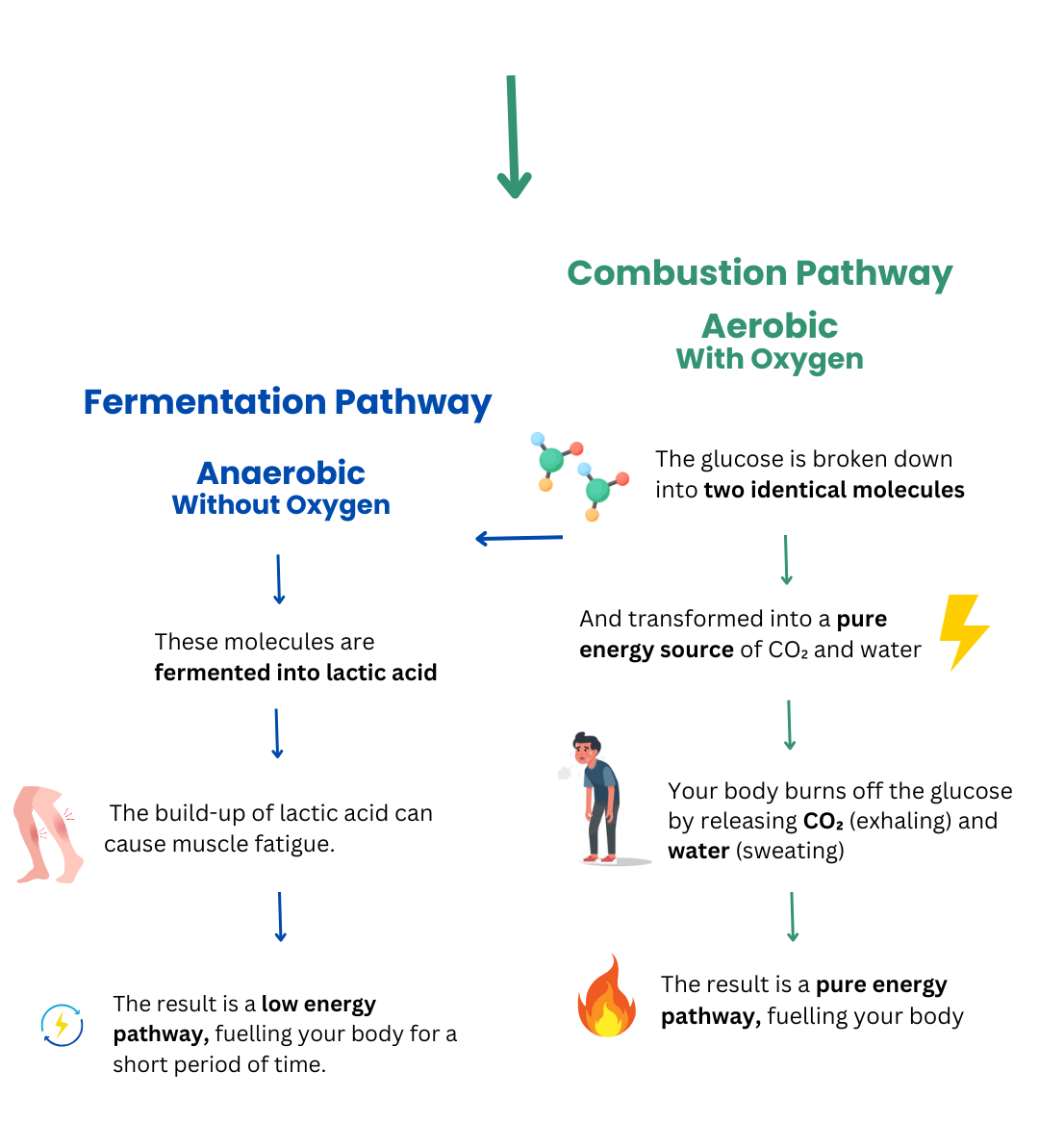
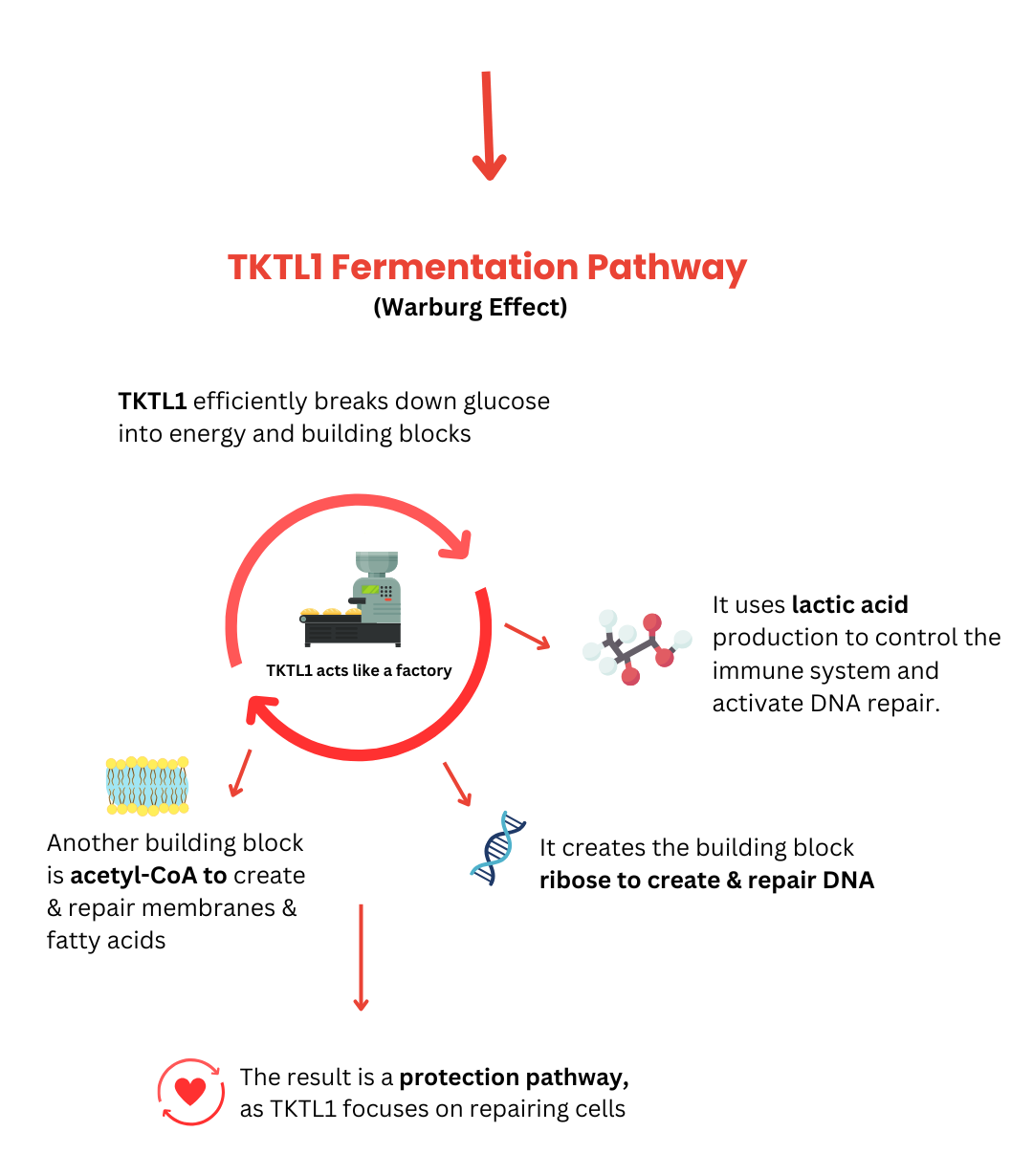
The body extracts energy from food using two completely different pathways:

Oxidising (using oxygen to release pure energy)

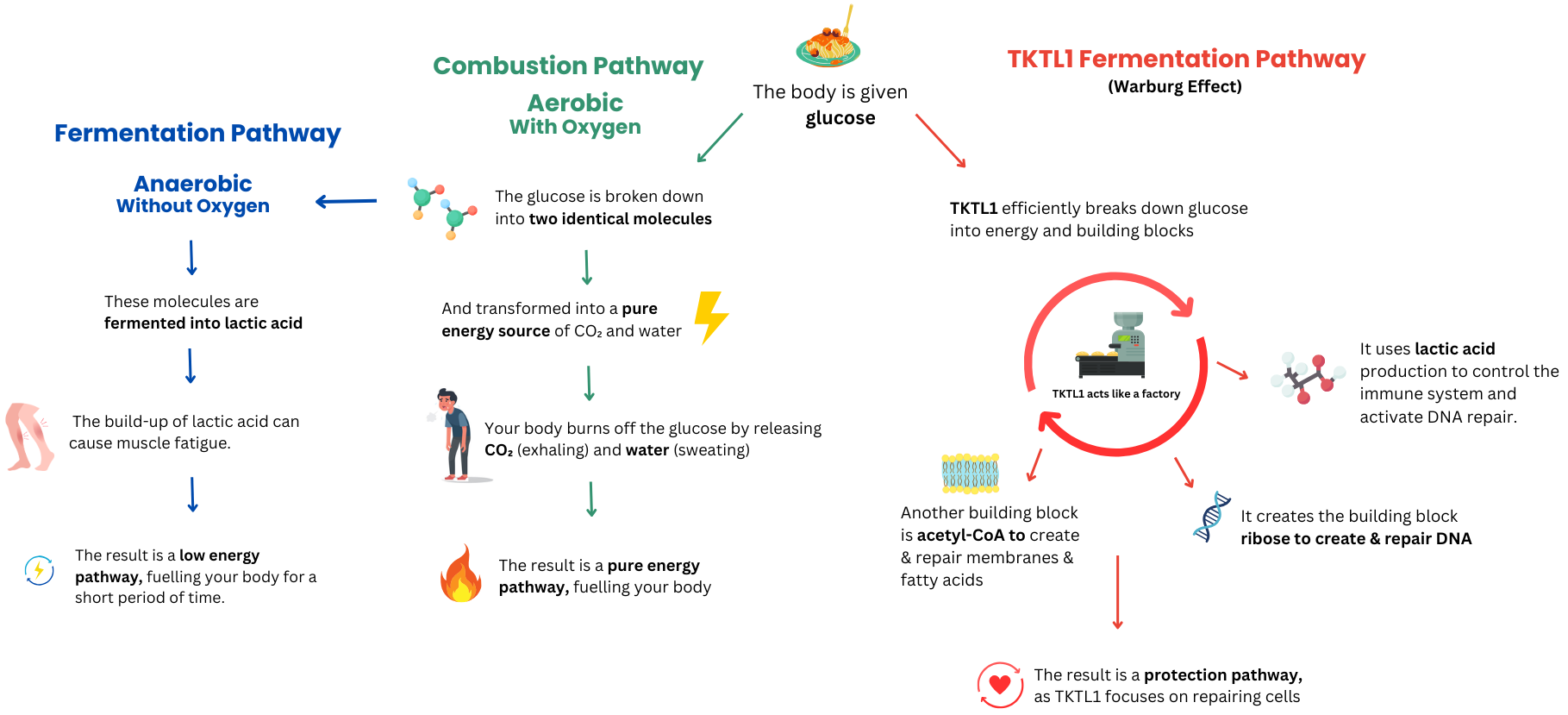
Making Energy from Metabolism
- Tagatose is poorly absorbed, and the low absorption rate effectively reduces the energy content.
- The majority of Tagatose becomes food for gut bacteria and is metabolised in the colon creating the short fatty-acid butyrate.
- Butyrate is a fuel source for the cells lining the intestine.
- Studies have examined butyrate and inflammation in the colon and the brain.
- Tagatose allows you to enjoy significant sweetness with a much smaller blood sugar rise.
Benefits
- Tagatose blocks the sugar receptors in the colon which reduces the uptake of other sugars, like glucose.
- Tagatose allows you to enjoy sweet treats that have a high glycaemic index because it slows down the absorption of glucose.
- Tagatose decreases the glycaemic index of other foods.
- The glycaemic index (GI) is 3, which is 95% less than table sugar.
- Tagatose tastes 90%-92% as sweet as table sugar.
Tagatose’s unique metabolic effect makes it ideal for:

Cancer

Dental

Children

Sports

Ageing

Diabetes
Frequently asked questions
Is Tagatose safe?
Yes. Tagatose is naturally derived sugar from lactose. It is not a man-made or artificial sweetener. As with other poorly absorbed sugars, large amounts at once may cause digestive discomfort.
Is Tagatose good for diabetics?
Tagatose has a very low glycaemic index and produces a much smaller rise in blood glucose and insulin than classic sugar. Anyone with diabetes should discuss changes to their diet with their diabetes team, since it may affect their medication or insulin.
Is Tagatose safe for cancer patients?
Tagatose produces a lower blood glucose rise than sugar, and it also reduces the rise from sugars eaten alongside it. Anyone undergoing cancer treatment should discuss their diet only with their treating oncologist.
Does Tagatose raise blood sugar levels?
Consumption of foods/drinks containing tagatose instead of other sugars induces a lower blood glucose rise after their consumption compared to sugar-containing foods/drinks.
Does Tagatose raise insulin levels?
Tagatose is metabolized in a way that does not require insulin for its uptake, which means it does not cause a significant increase in insulin levels.
Is Tagatose healthy?
Tagatose has a very low glycaemic index, is low in calories, and is not converted into acid by the bacteria that cause tooth decay. The science section above sets out what the research covers.
Is Tagatose keto-friendly?
Yes, Tagatose is suitable for a ketogenic diet as it does not cause blood sugar spikes and is very low in available carbohydrate.
Is Tagatose fructose-free?
Yes, tagatose does not contain fructose (making it suitable for people who are sensitive or intolerant to fructose).
Is Tagatose lactose-free?
Yes, tagatose does not contain lactose (tagatose is derived from lactose, but is separated from glucose during production, making it suitable for people who are lactose intolerant).
Is Tagatose gluten-free?
Yes, tagatose does not contain gluten (but could contain traces depending on manufacturing processes).
What is Tagatose made from?
Tagatose is a natural simple sugar (monosaccharide).
Tagatose is derived from lactose. However, unlike lactose, tagatose can be tolerated by people with lactose intolerance. Tagatose is also naturally found in breast milk.
What does Tagatose taste like?
Tagatose looks much like household table sugar and tastes 90%-92% as sweet, with 60-70% fewer calories.
What is Tagatose?
Tagatose is a low-calorie, low-glycaemic sugar used in place of table sugar.
Where can I buy Tagatose?
This site is informational and does not sell anything. If you would like help finding companies that use Dr Coy’s sugars and sugar mixtures, email us at info@intelligentsugar.info and we will point you in the right direction.
Research & Resources Further Studies
- Removal and prevention of dental plaque with d-tagatoseThe International Journal of Cosmetic Science published a study on removing and preventing dental plaque with tagatose.
- Tagatose as a Potential Nutraceutical: Production, Properties, Biological Roles, and Applications
Researchers have reviewed the future possibilities of using Tagatose as a nutraceutical.
- D-Tagatose Is a Promising Sweetener to Control Glycaemia: A New Functional FoodThis study tested the dietary effect of the consumption of tagatose in type 2 diabetes and its ability to be a functional food for diabetics.
“Recent studies indicate that tagatose has low glycemic index, a potent hypoglycemic effect, and eventually could be associated with important benefits for the treatment of obesity. The authors concluded that D-tag is promising as a sweetener without major adverse effects observed in these clinical studies.”
- Tagatose: from a sweetener to a new diabetic medication?
- Tagatose, a new antidiabetic and obesity control drug
- Benefits of Tagatose for Gut Health
- Gut microbes modulate neurodegeneration
- D-Tagatose: A Rare Sugar with Functional Properties and Antimicrobial Potential against Oral Species
- Safety and Efficacy of D-Tagatose in Glycemic Control in Subjects with Type 2 Diabetes
- Dietary supplementation with d-tagatose in subjects with type 2 diabetes leads to weight loss and raises high-density lipoprotein cholesterol
- D-Tagatose Feeding Reduces the Risk of Sugar-Induced Exacerbation of Myocardial I/R Injury When Compared to Its Isomer Fructose